Beginning in the 8th century BC, the Greeks established a number of colonies in what is now southern Italy. Agrigento was one of the most powerful of these colonies. In the period around 450 BC, a series of temples were built in the area that is now known as the Valley of the Temples. But I’m getting ahead of myself. Let’s back up to this morning to set the right context.
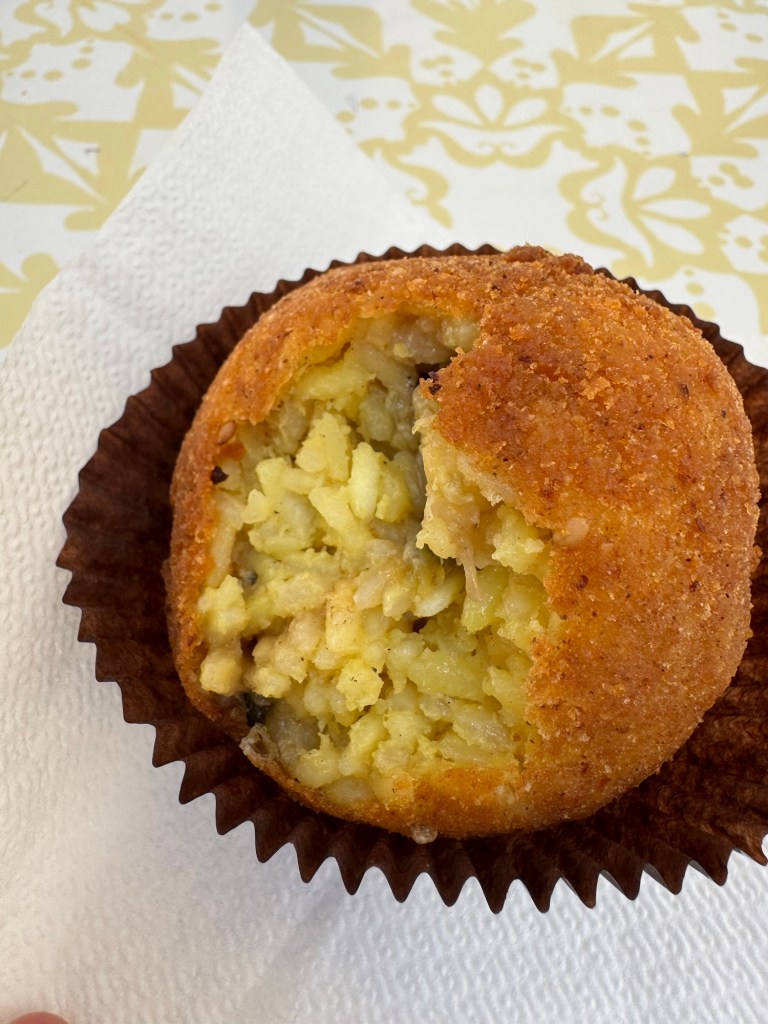
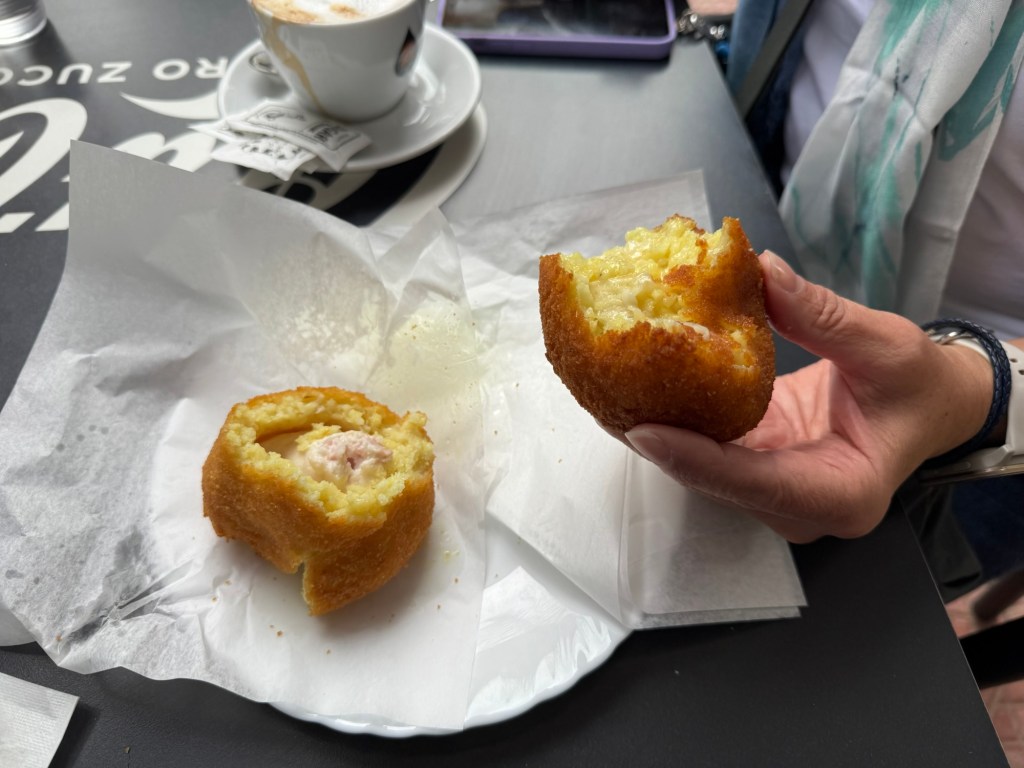
The Valley of the Temples was the reason we came to Agrigento in the first place. Research before leaving home clearly stated there was plenty of parking at the archaeological site and we had a car, so the plan was to drive there. That was a bad plan. First of all, parking at the site might be easy, but finding a parking spot when we came back to the apartment was going to be a challenge. And second, there was the challenge of driving and navigating in Agrigento. So the car was staying put and we were taking the bus. Which sounds easier than it was. Though to be fair, taking the bus was actually very easy – it was figuring out how and where that was the challenge. But in the end I figured it out and we had a plan. But first we needed a light lunch. We turned to what has become my favourite – arancini. Basically fried risotto balls with various types of filling.
With lunch taken care of, we caught a city bus to the Valley of the Temples. During my research I had learned that there are two busses that go to the valley, one stopping at each end. If you pick the right place to start, you can walk downhill. If you choose poorly, you have to walk uphill. We chose wisely. The bus dropped us off at the temple of Juno.
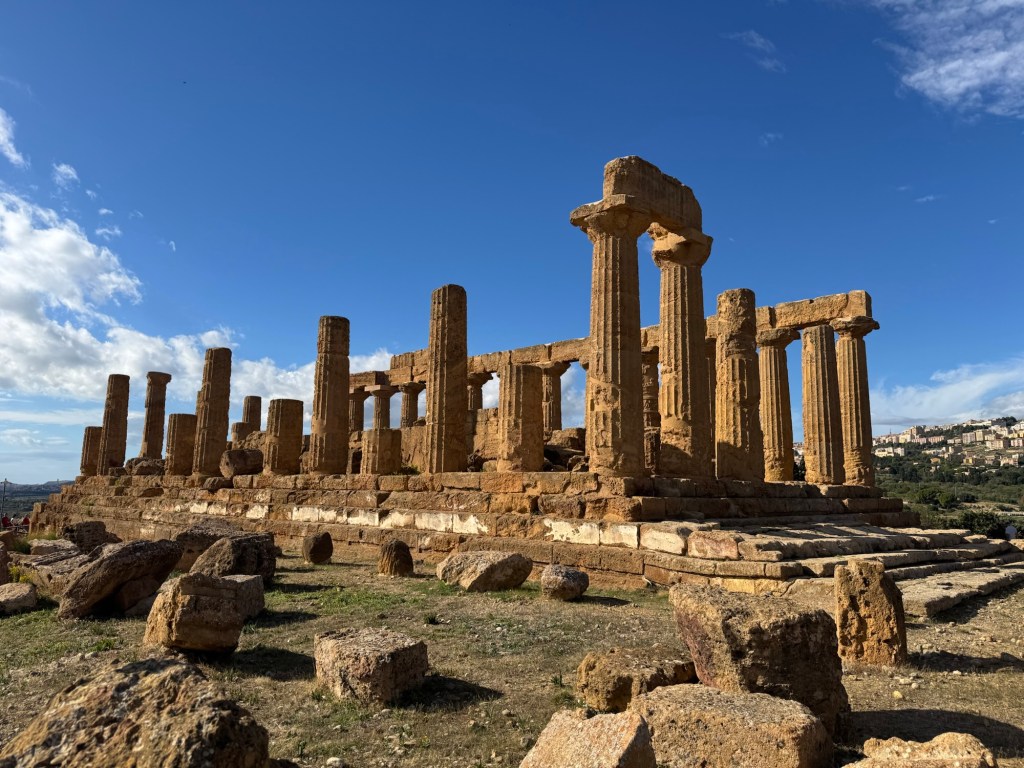
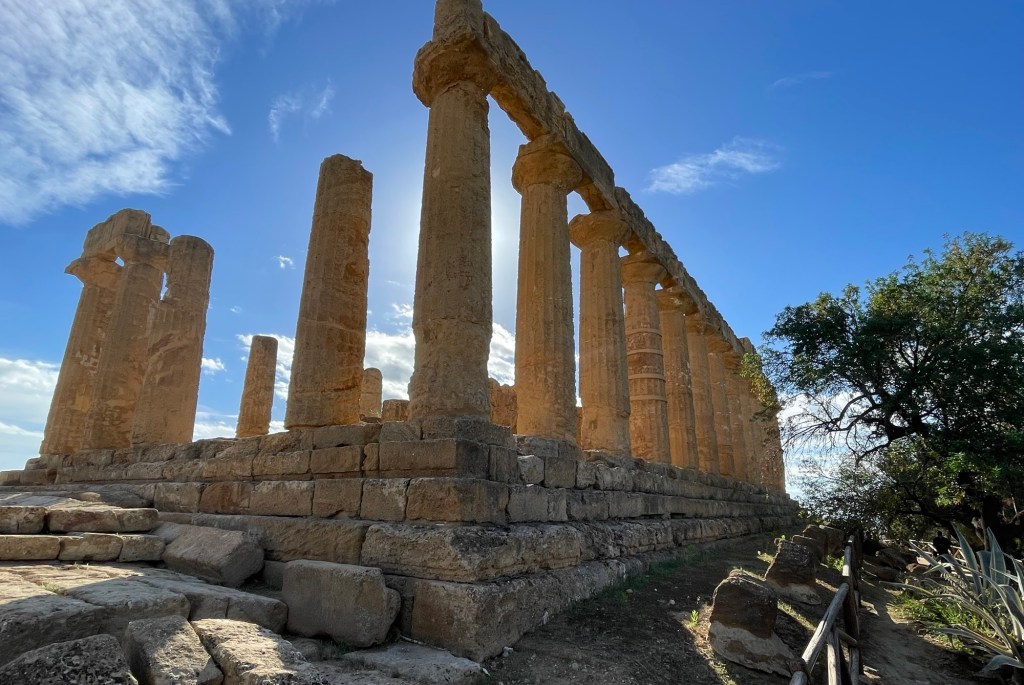
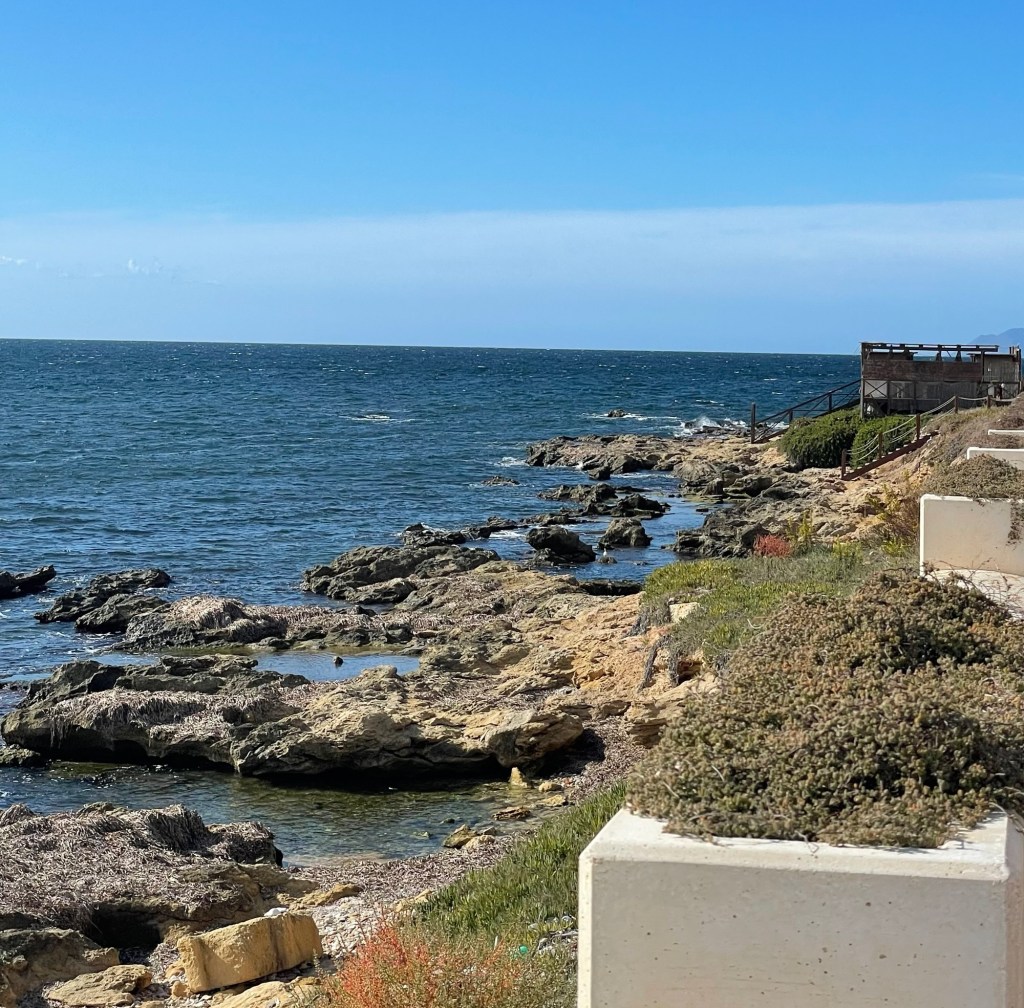
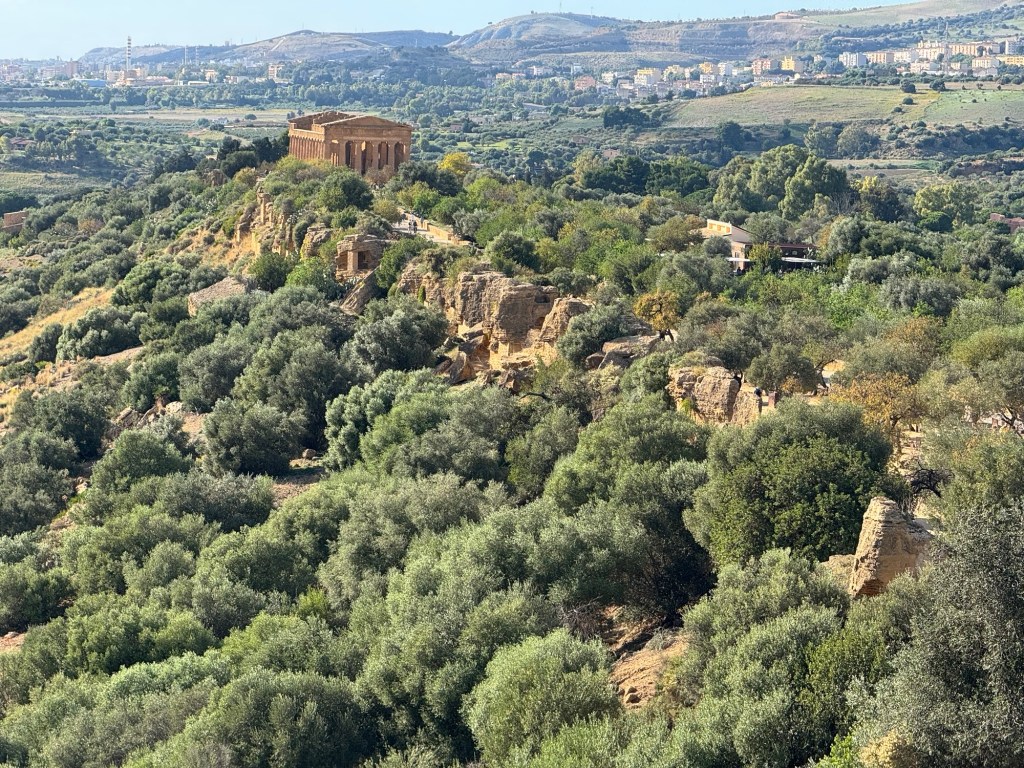
The site is called the Valley of the Temples, but it really should be called something like the ridge of temples because the temples are built along the top of a ridge running parallel to the sea. This allowed visitors to see the temples as they approached Agrigento by sea. It also created a natural place to build a wall around the city. The wall has long since gone, but this picture shows the edge of the ridge as you look down to the next temple.
There were many interesting artifacts to explore along the way, like ruts in the stone worn by carts over centuries. But the one I’ll show today is a wine press, cut into the stone. We saw similar structures last year in Abruzzo.
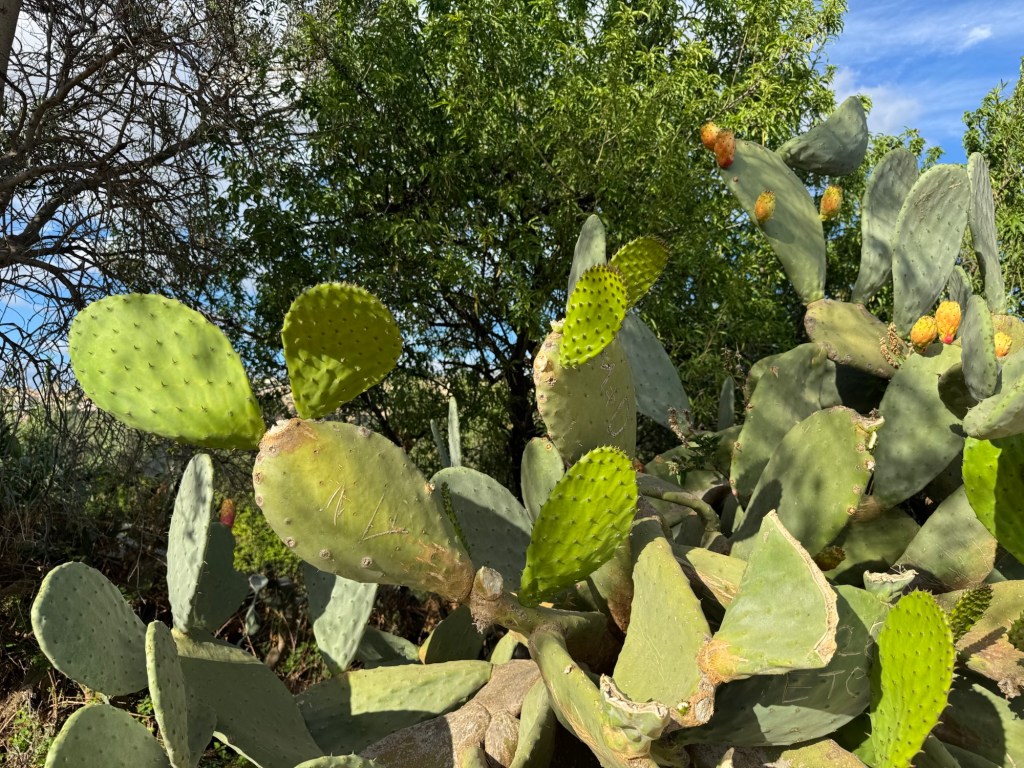
This next picture could be labeled “nature is amazing” or you could call it “people are idiots”. You can see the new growth on the cactus, but look closely and you can also see where people have carved their initials into the leaves. Idiots!
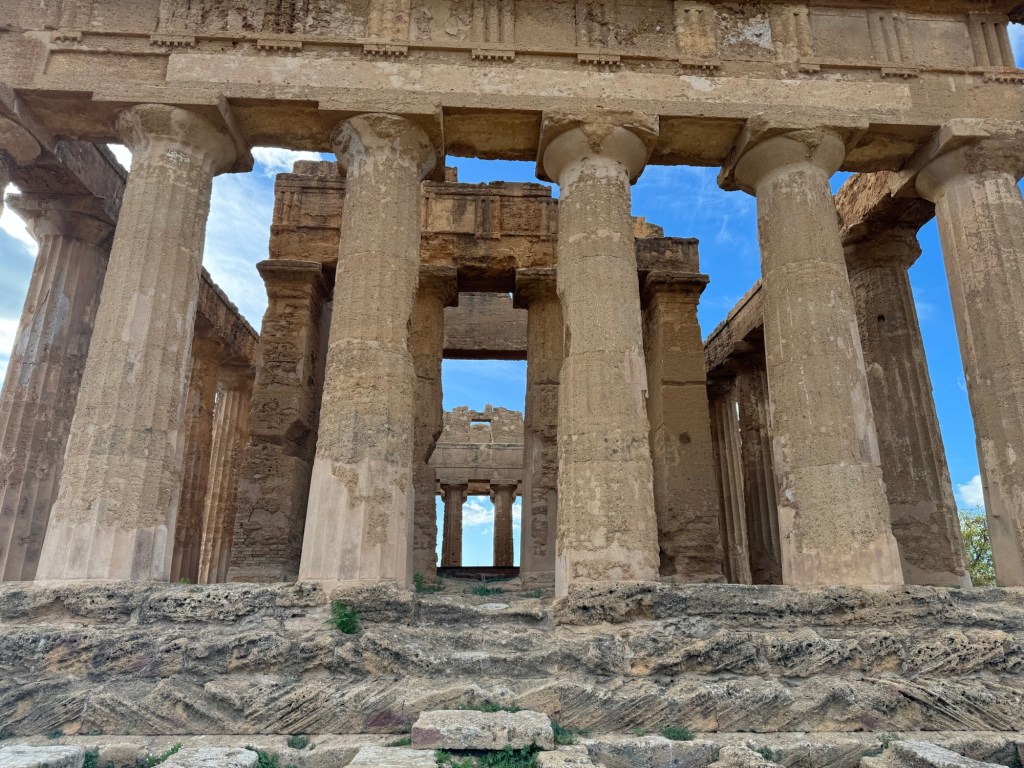
Next we visited the Temple of Concord, one of the best preserved Doric temples in the world. The reason it is so well preserved is that it was turned into a Christian church in the fifth century AD, with the temple columns being incorporated into the walls of the church. This protected the original temple until the additional material was removed in the 19th century, leaving us with the well preserved temple we see today.
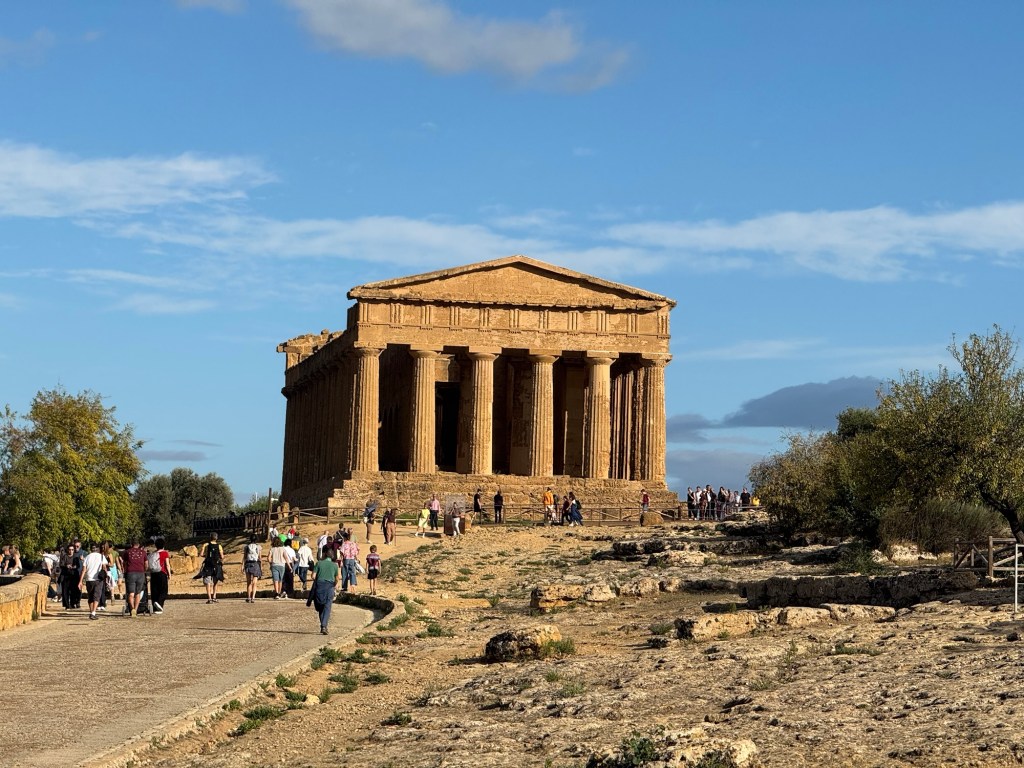
This next picture gives you an idea of the interior of the temple, even though you can’t walk inside.
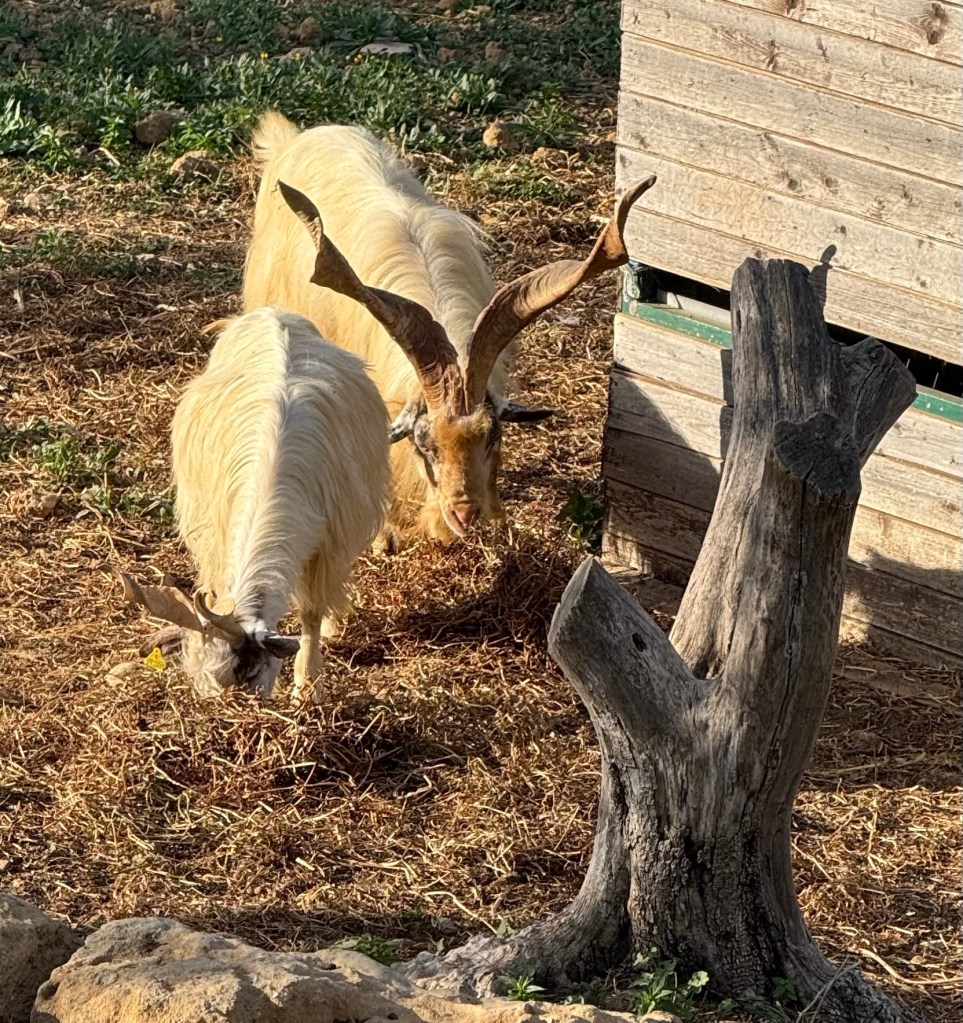
As we were walking along the path, we spotted some unusual goats. These are Girgentana goats, a species unique to Sicily. They were nearly extinct and efforts are underway to preserve them, with a focus on the area around the Valley of the Temples.
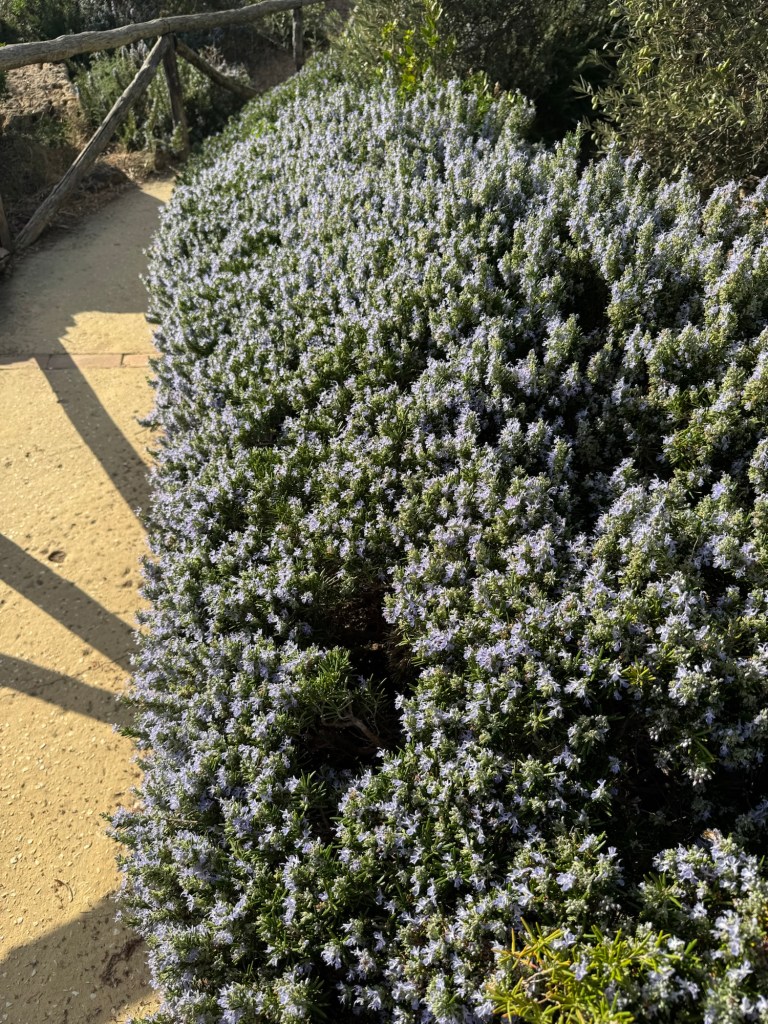
There was a rosemary hedge in full bloom along one of the paths. I couldn’t resist.
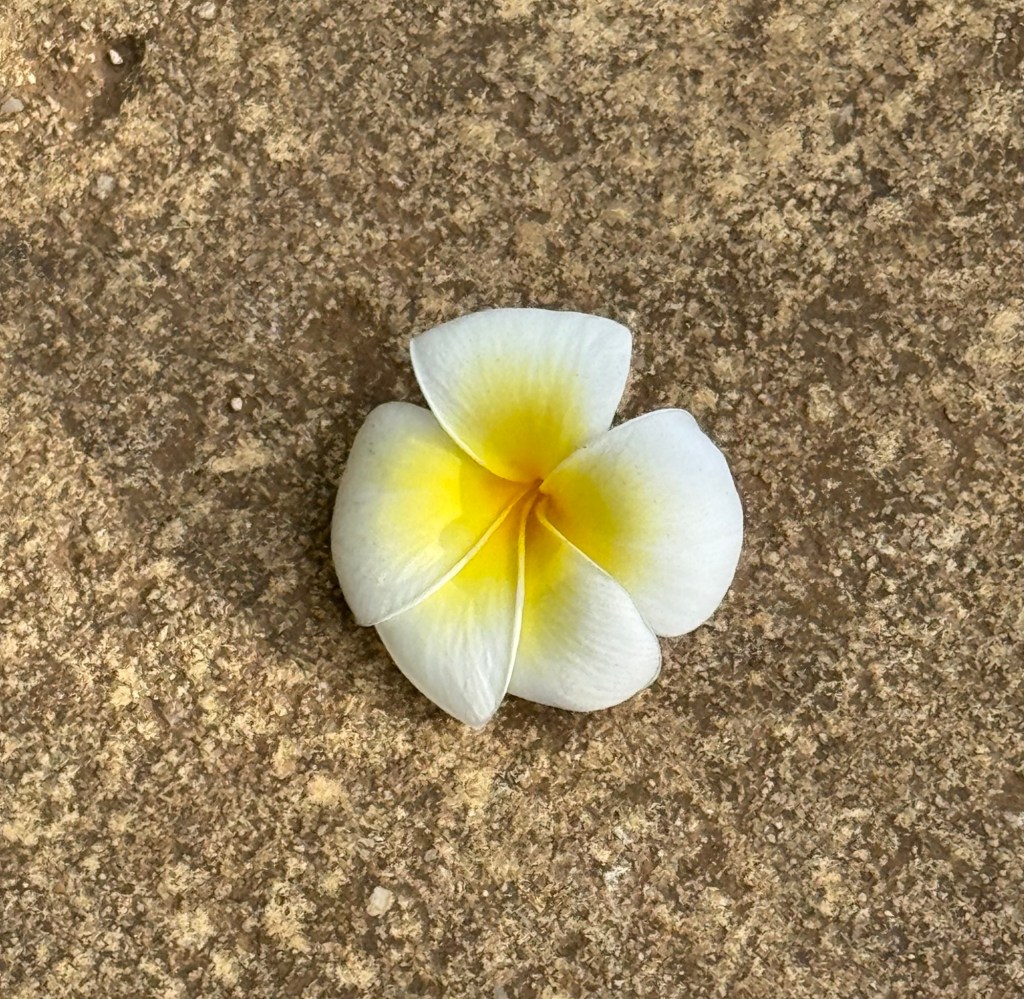
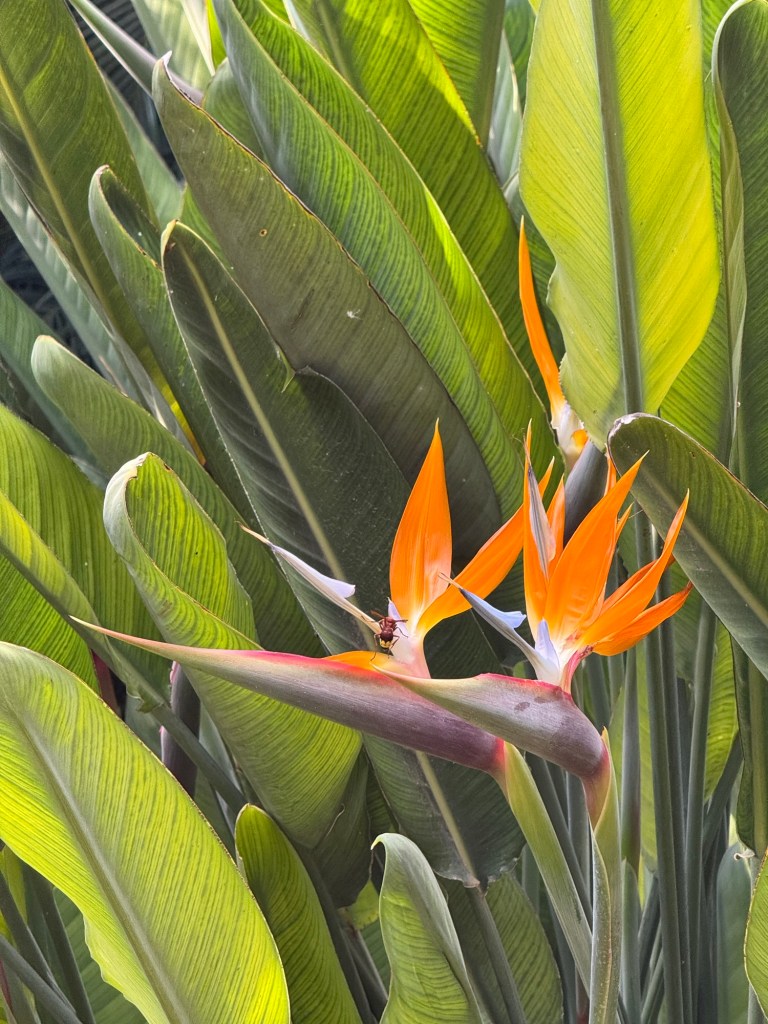
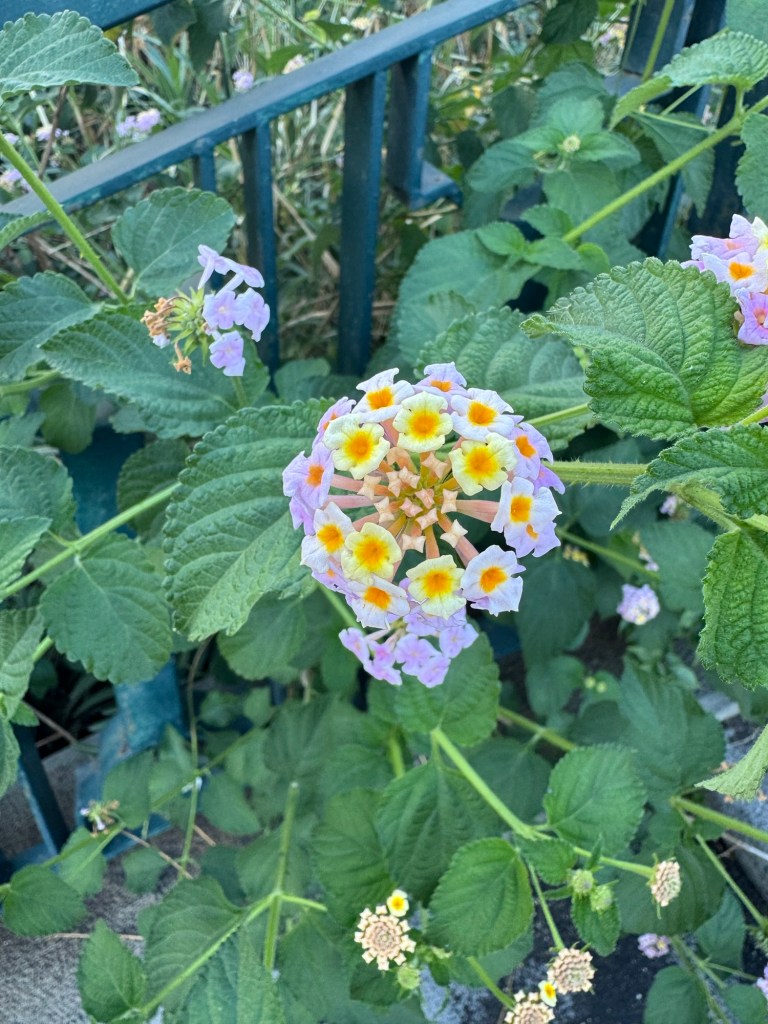
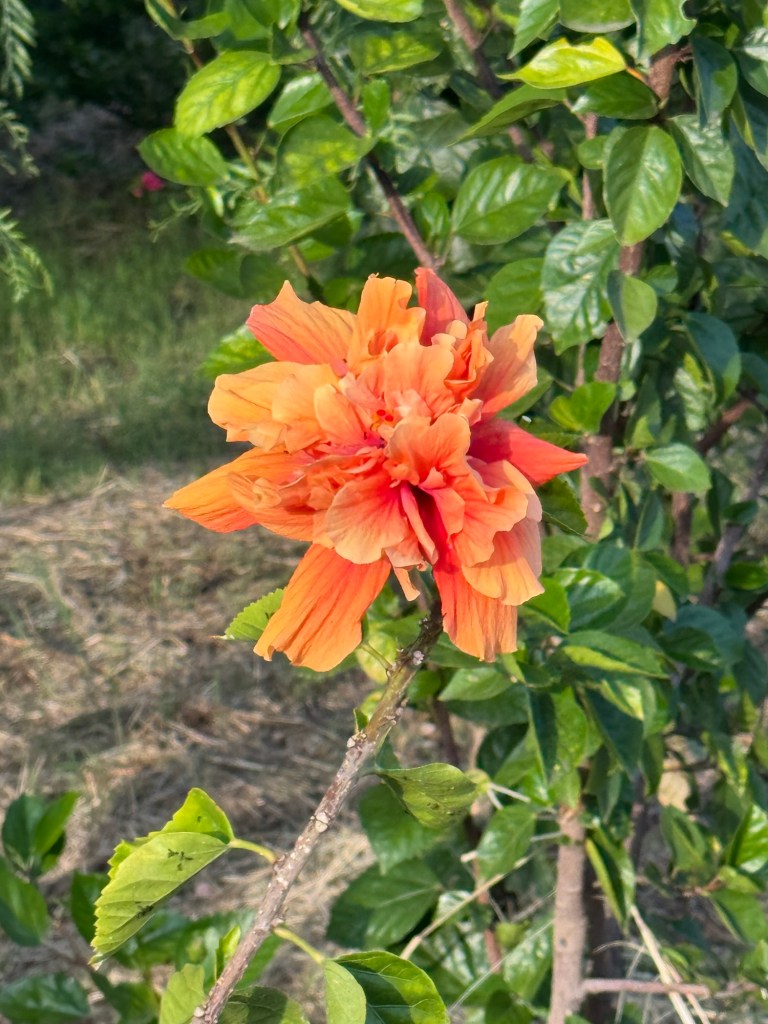
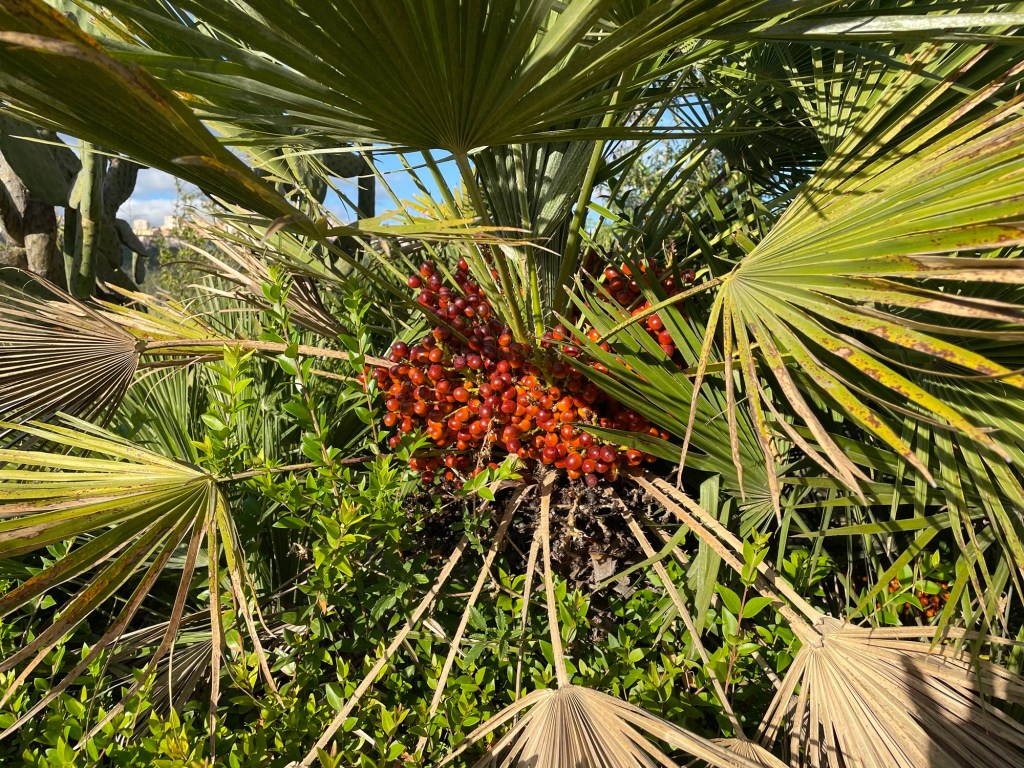
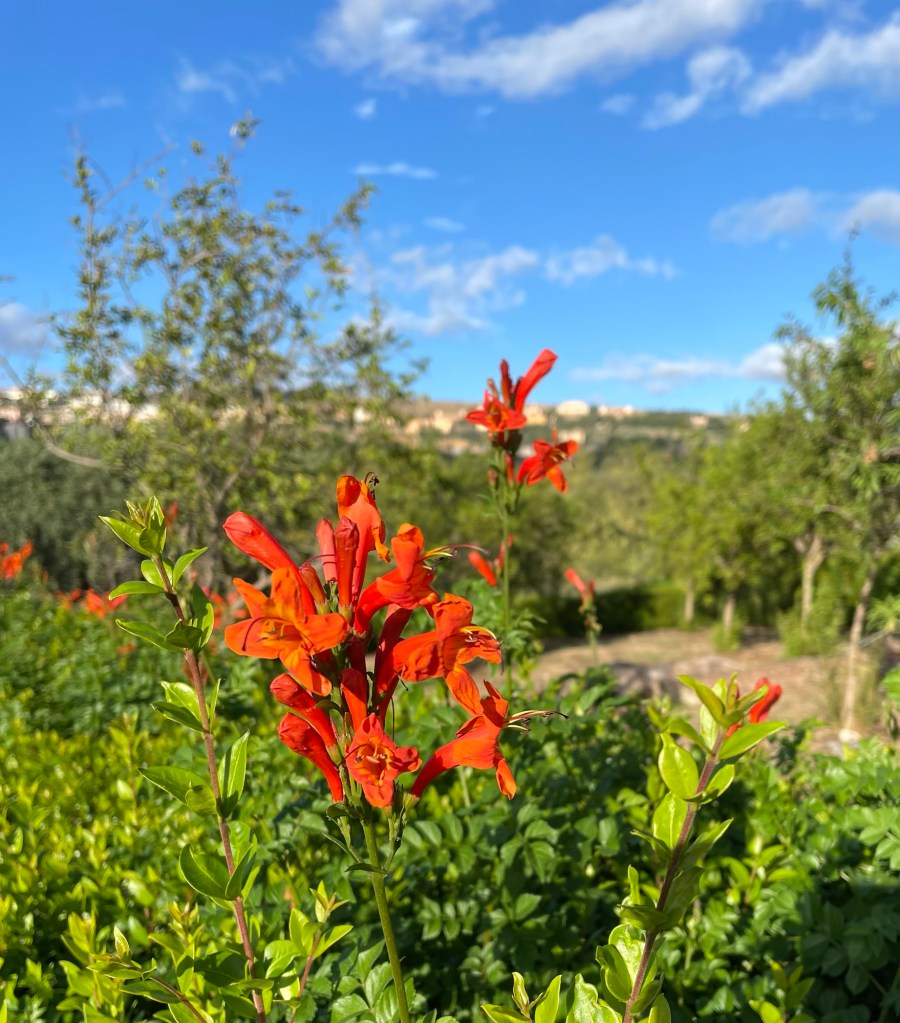
Here are another two interesting plants.
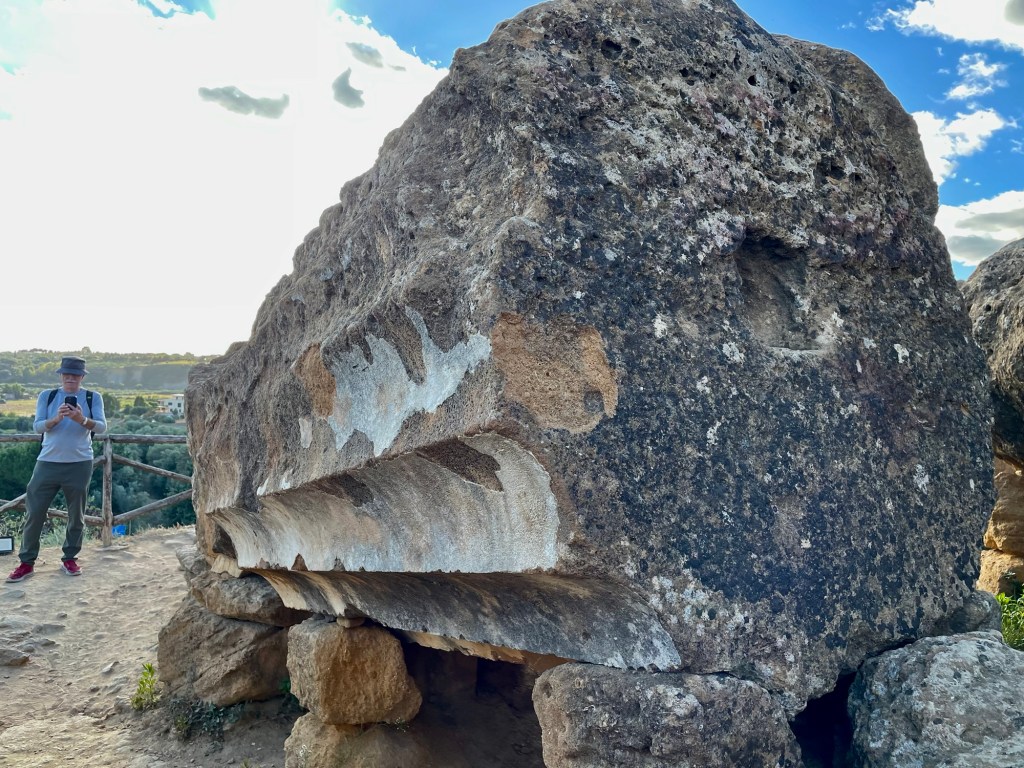
The temples themselves are roped off so that you can’t walk through them, but there are many areas where you can have a much closer look. Here is an example of one of the columns, laying on the ground, where you can clearly see how a thin layer of stucco was applied onto the stone.
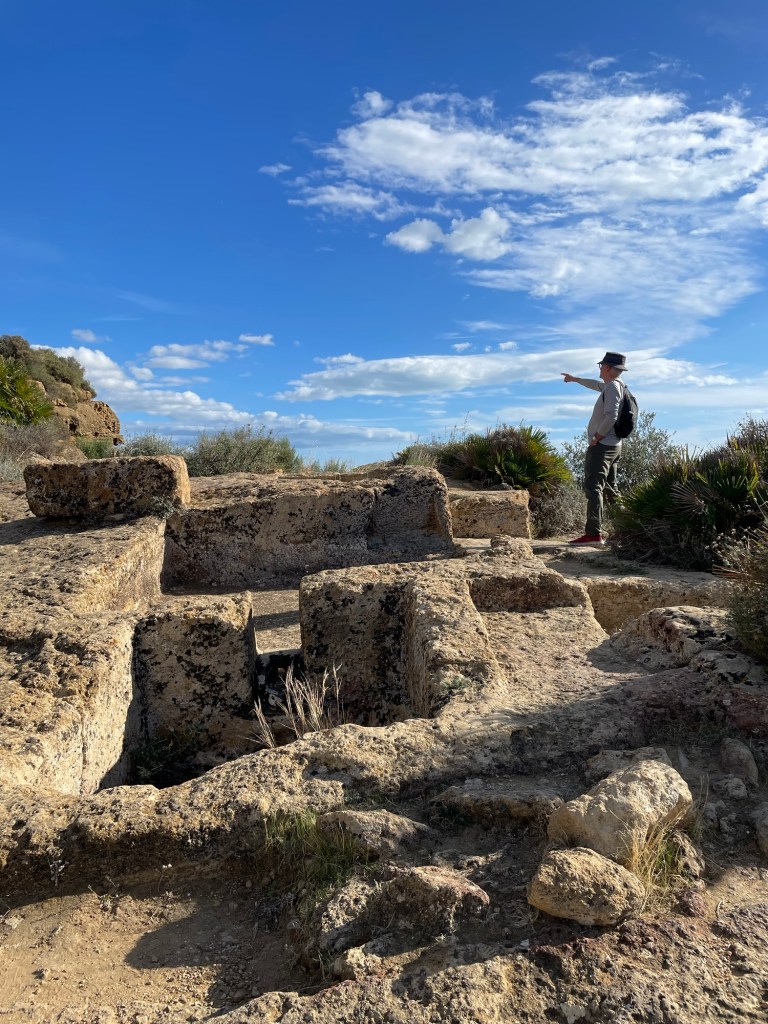
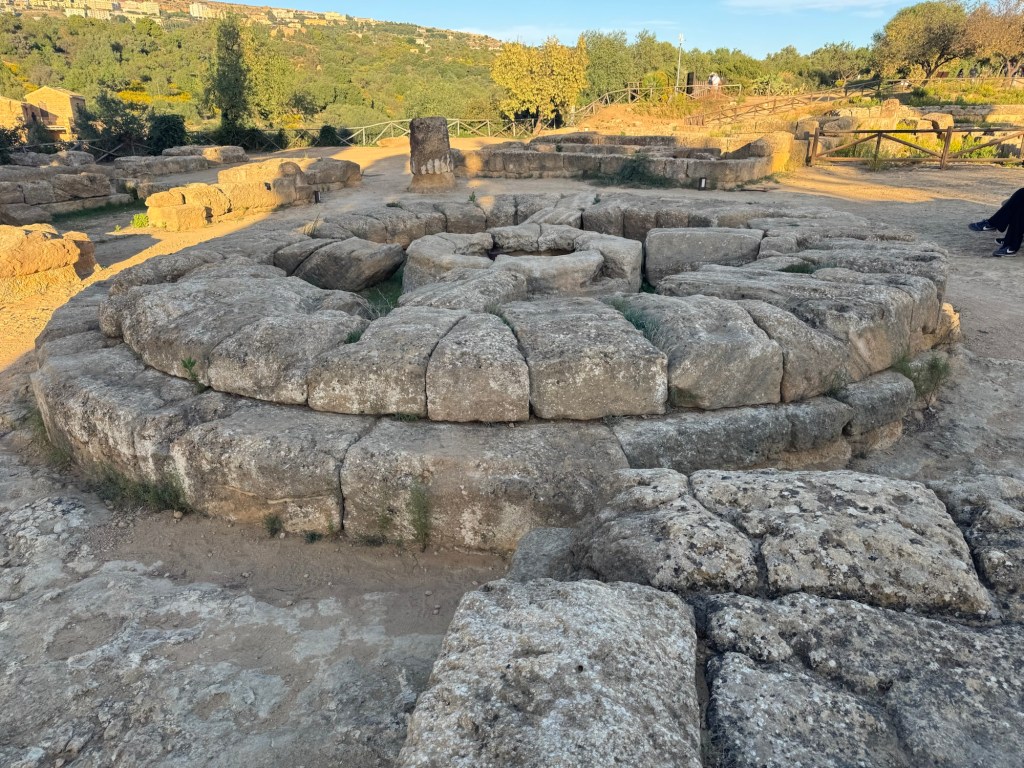
We also had an up close look at some of the sacrificial alters. This one was set up so that four animals could be sacrificed at once, their blood draining into the central pit to bring fertility to the earth. It was a different era.
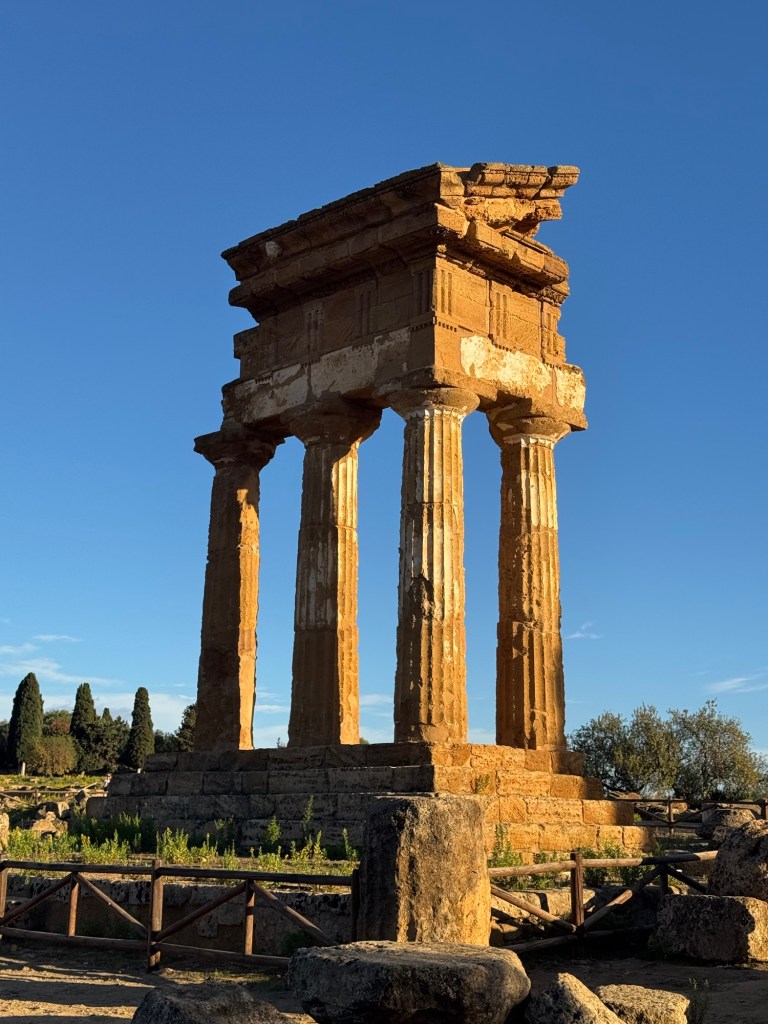
As we neared the end of our visit, the sun was getting lower, bathing the final temple in a golden glow.
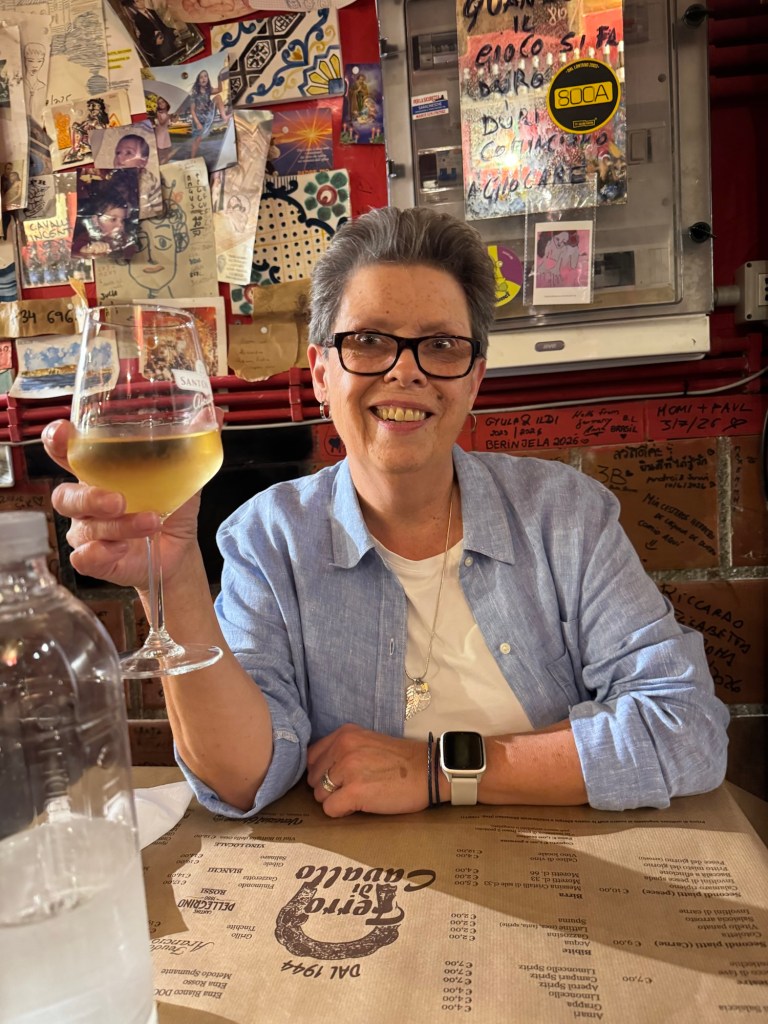
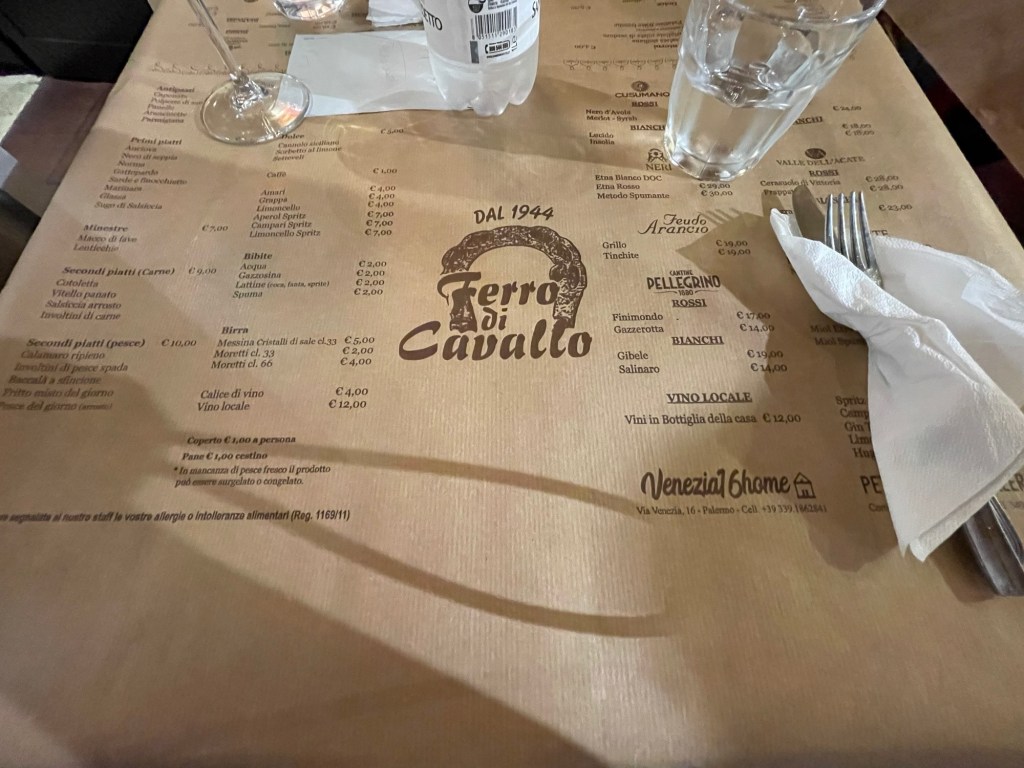
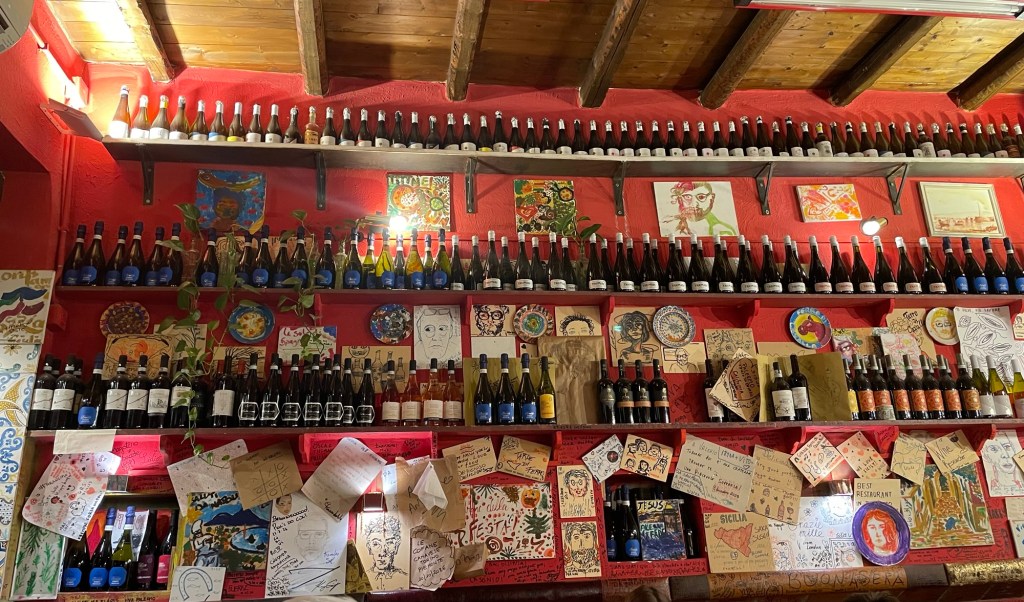
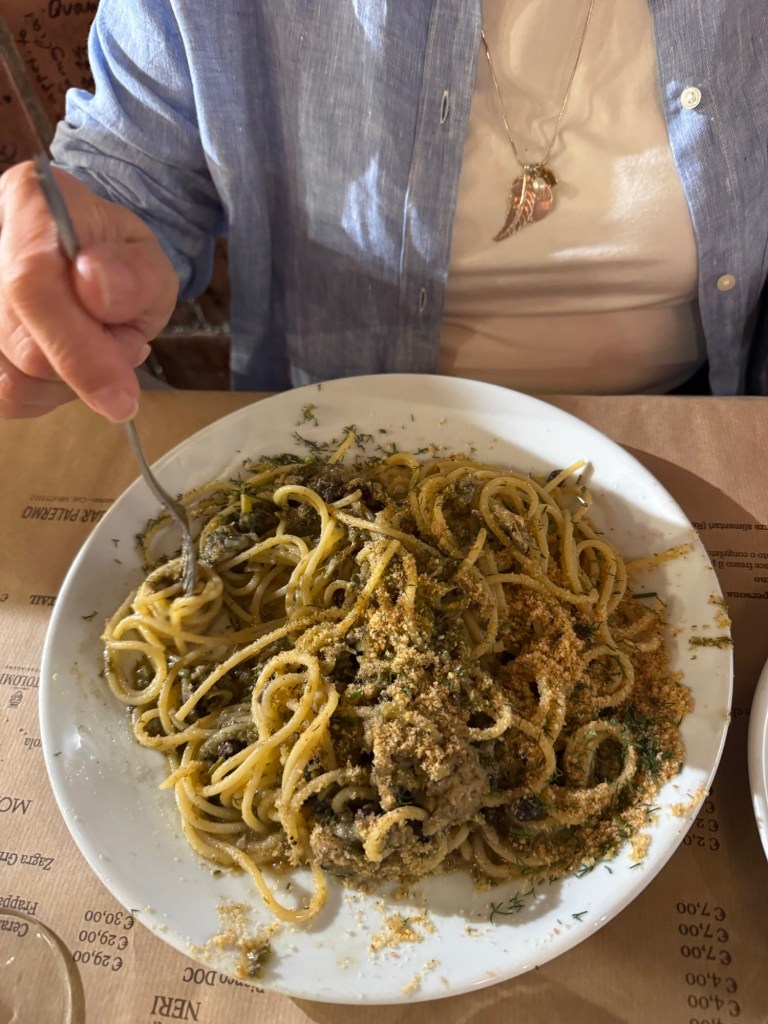
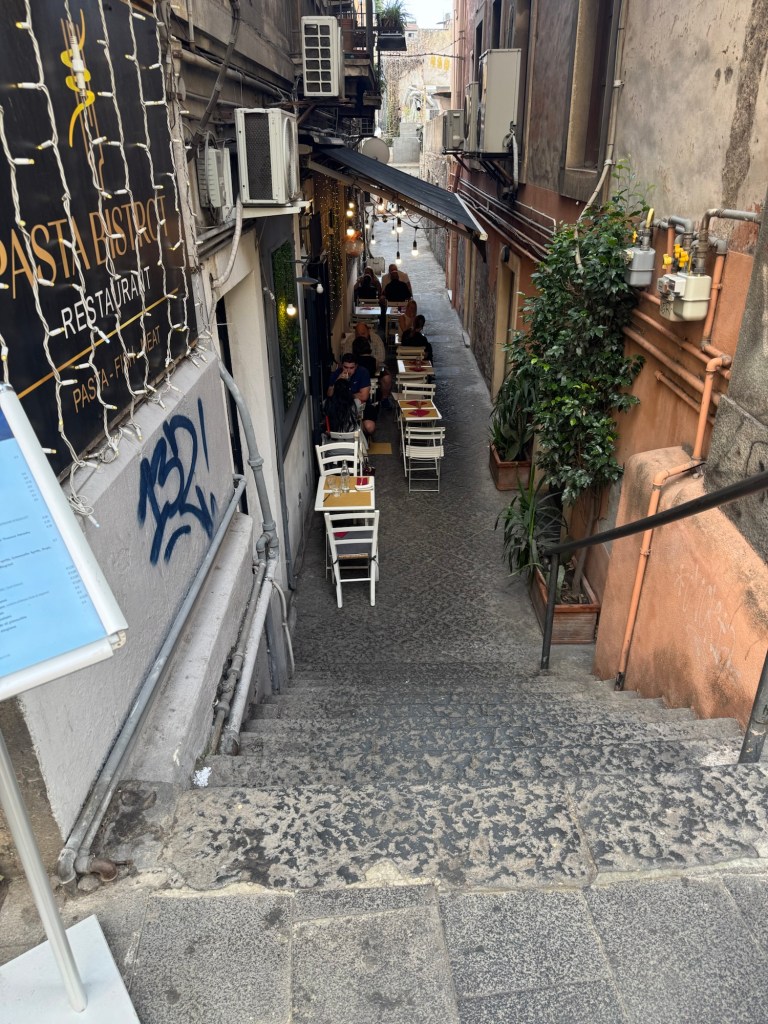
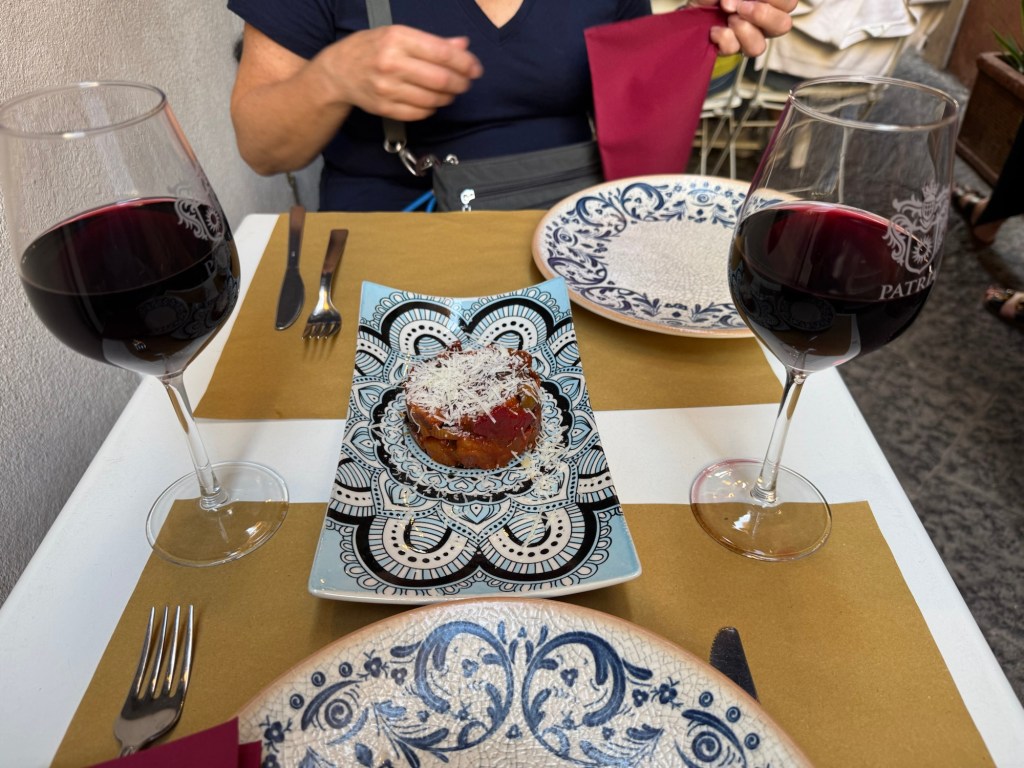
After catching the bus back into Agrigento, we rested up (and started writing this post) before heading into town for one of the best meals we’ve had so far. They just keep getting better.
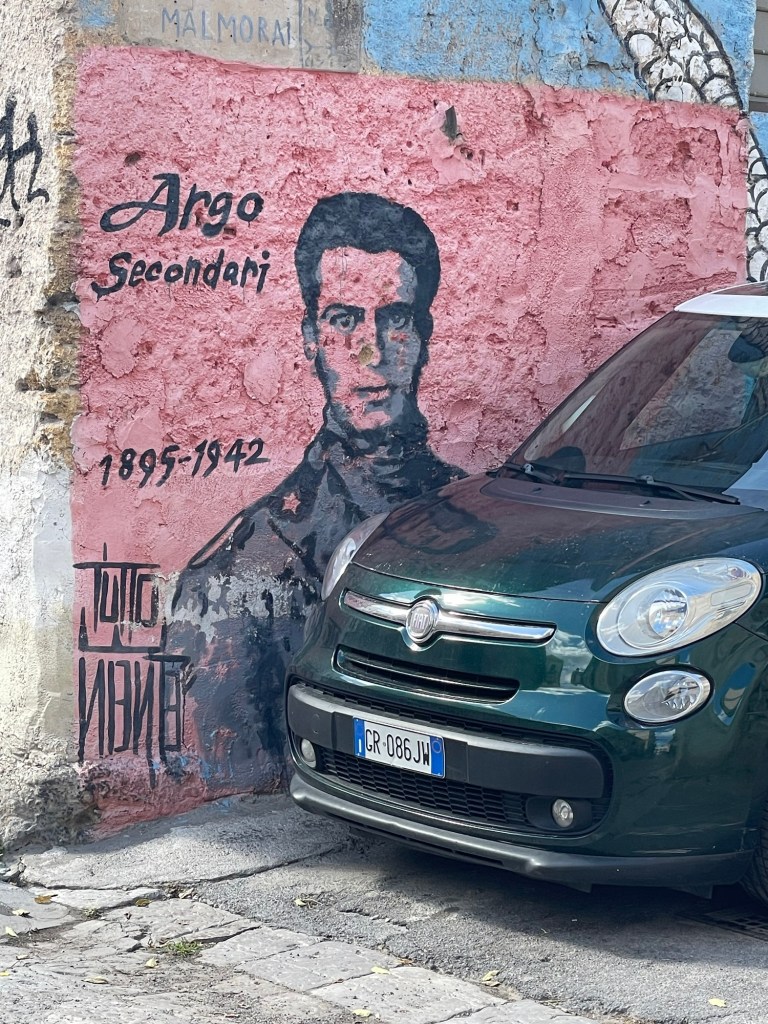
Tomorrow we are off to Syracuse, which means that we will have to navigate out of Agrigento. But first, I will need to get out of the parking spot on the street. When I parked, there was plenty of room ahead and behind the car. When I checked this morning, it looked like this.
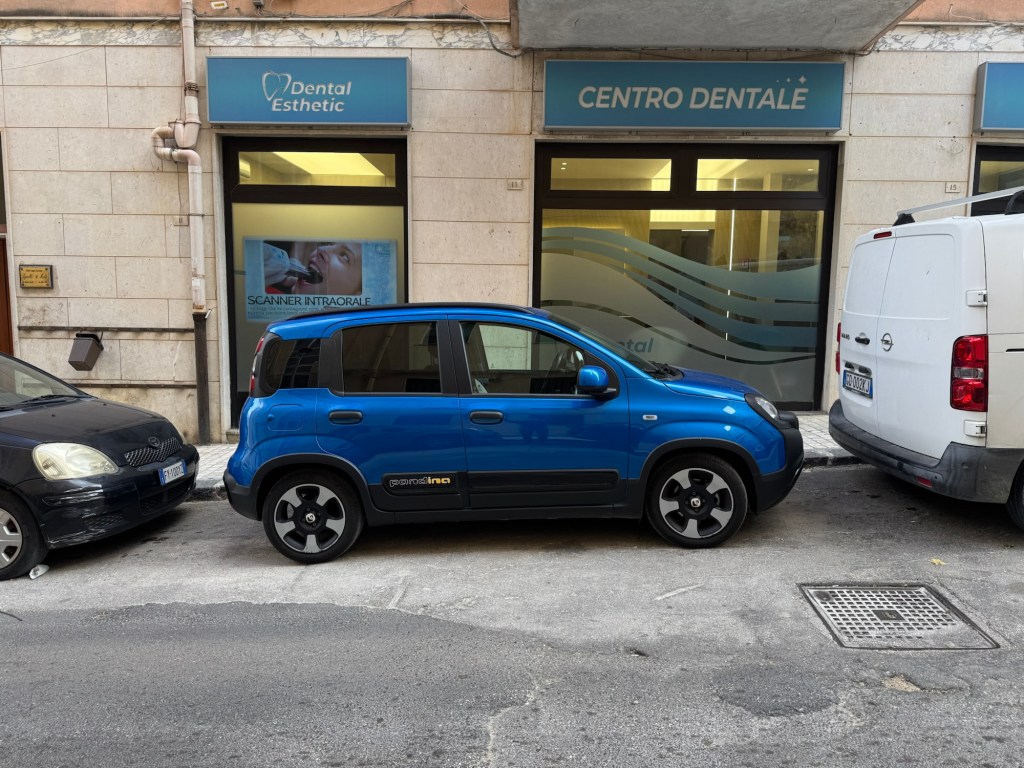
I’m hoping tomorrow won’t be quite this tight.