
Jan has been interested in visiting Hamilton Gardens since our first trip to New Zealand, but we’ve never managed to fit it in. So this year we made a point to included Hamilton in our itinerary. In preparation for our visit I did a little more research and discovered that the Hamilton Gardens is one of New Zealand’s top attractions, and one of the top ten gardens in the world. Definitely worth a visit.
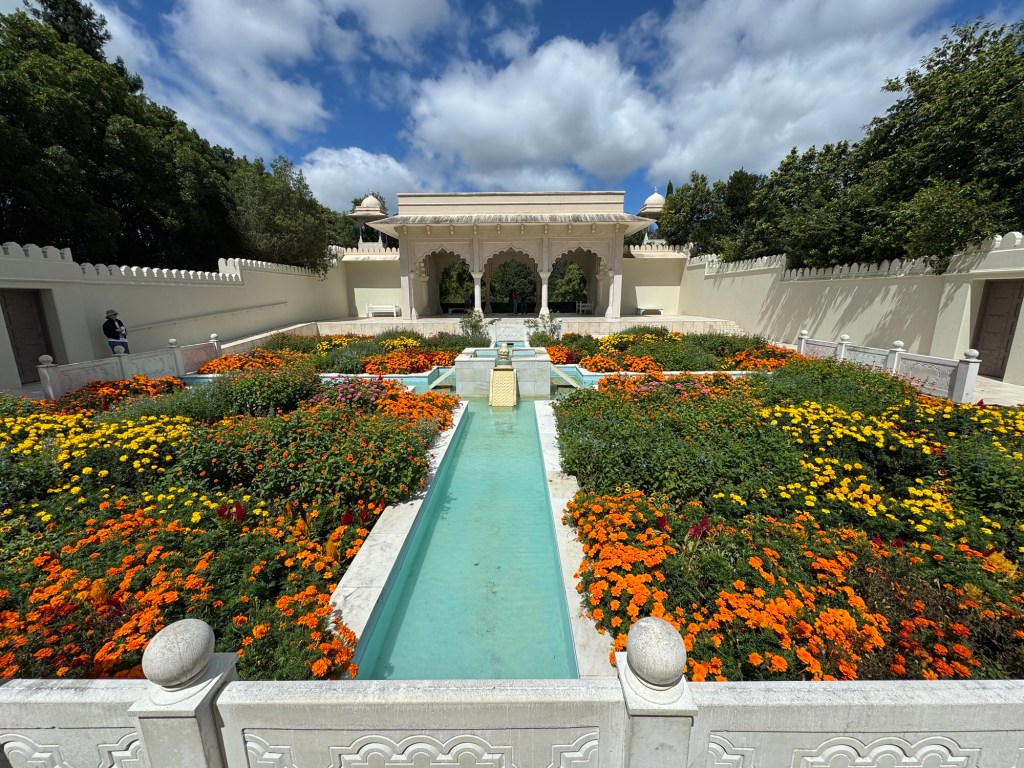
We have visited many botanical gardens on our travels. It’s one of our favourite activities, especially when it’s winter at home. So we thought we knew what to expect. We were wrong! In most botanical gardens the focus is on the plants, showcasing different varieties and providing details about their origin and characteristics. Hamilton Gardens takes a different approach, almost a cultural approach, providing examples of different “gardens” over the ages. Some were purely functional (for food) while others were purely to display wealth and status. And some were a bit of both. This first picture is an example of a Mughal garden from 17th century India.
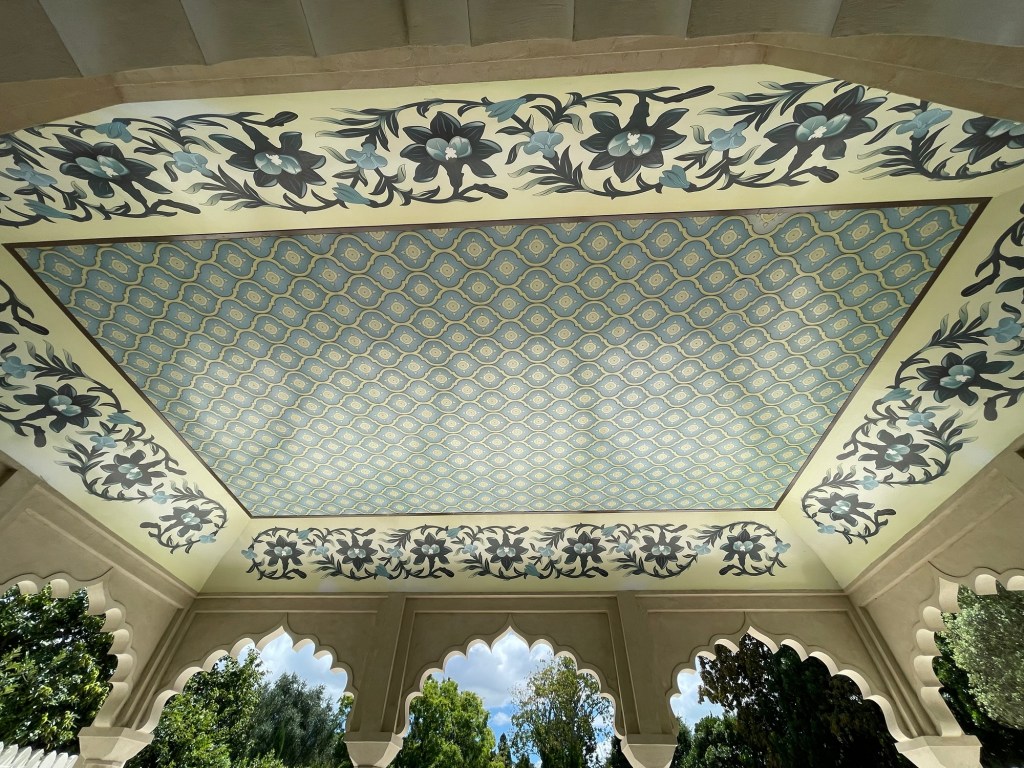
When touring these sites, it’s always important to remember to look up, or you will miss fascinating detail.
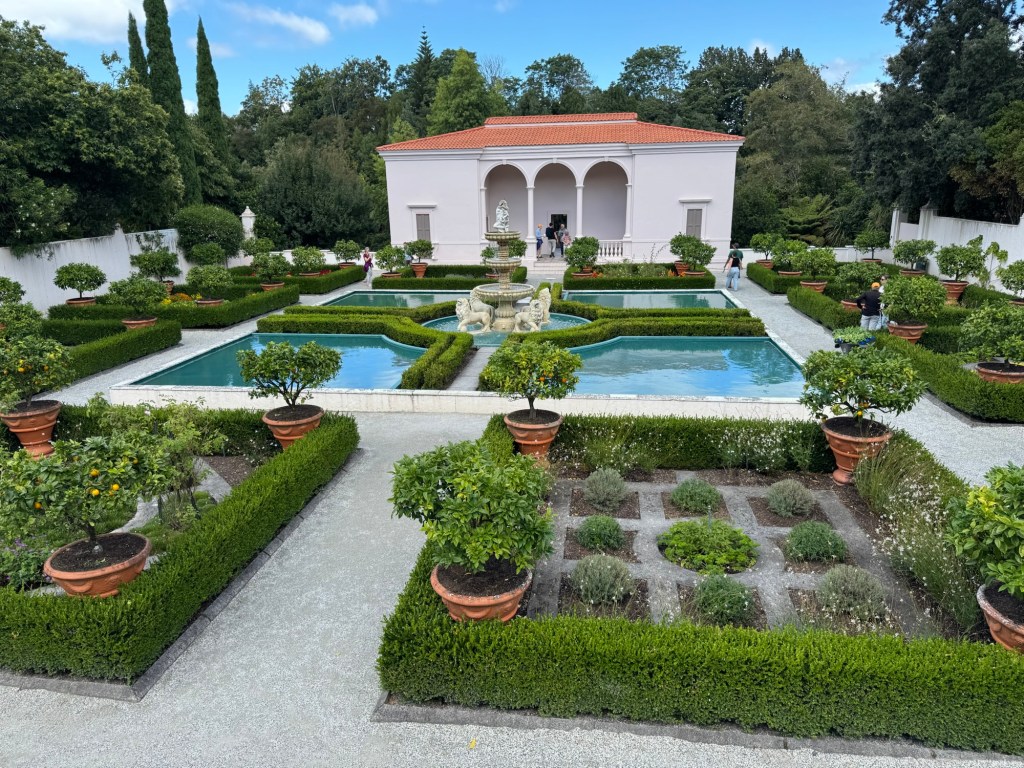
Here is another style, an Italian Renaissance garden. You can see similarities, and differences.
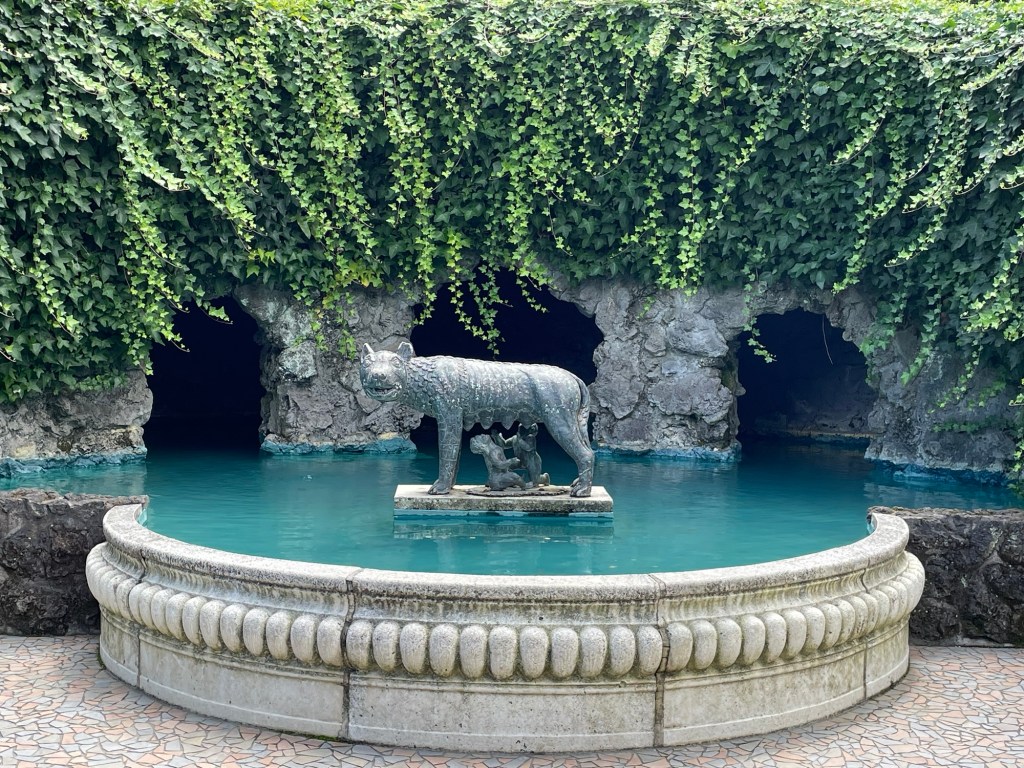
As you would expect, the garden features details from Roman mythology.
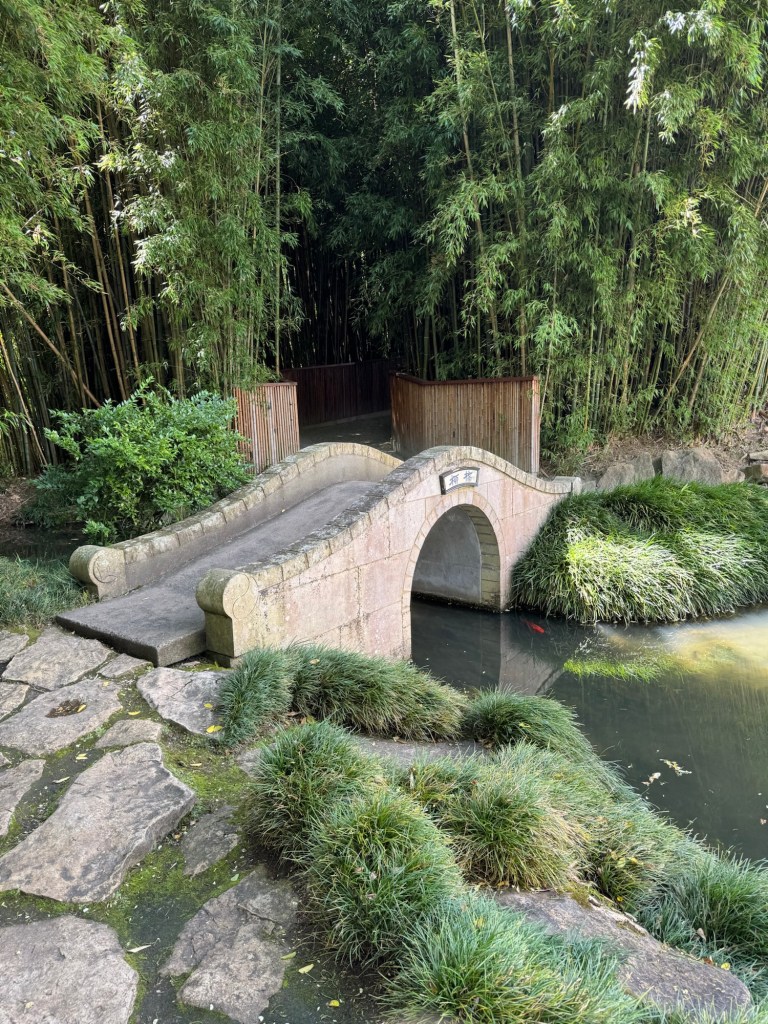
Next, we visited the Japanese Garden of Contemplation.
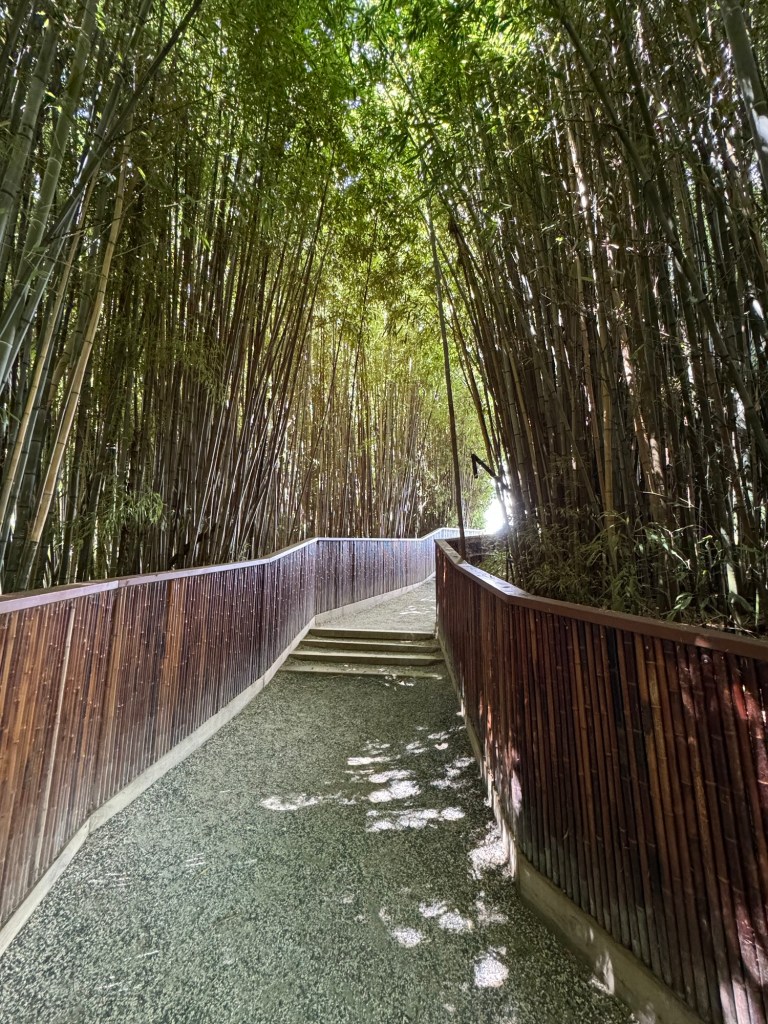
One of the more interesting features of this garden was a walkway lined with bamboo. It is constructed in a way that funnels a breeze through the path, and makes the bamboo stalks hit against each other, creating a steady knocking rhythm. I can definitely imagine spending time here in quiet contemplation.
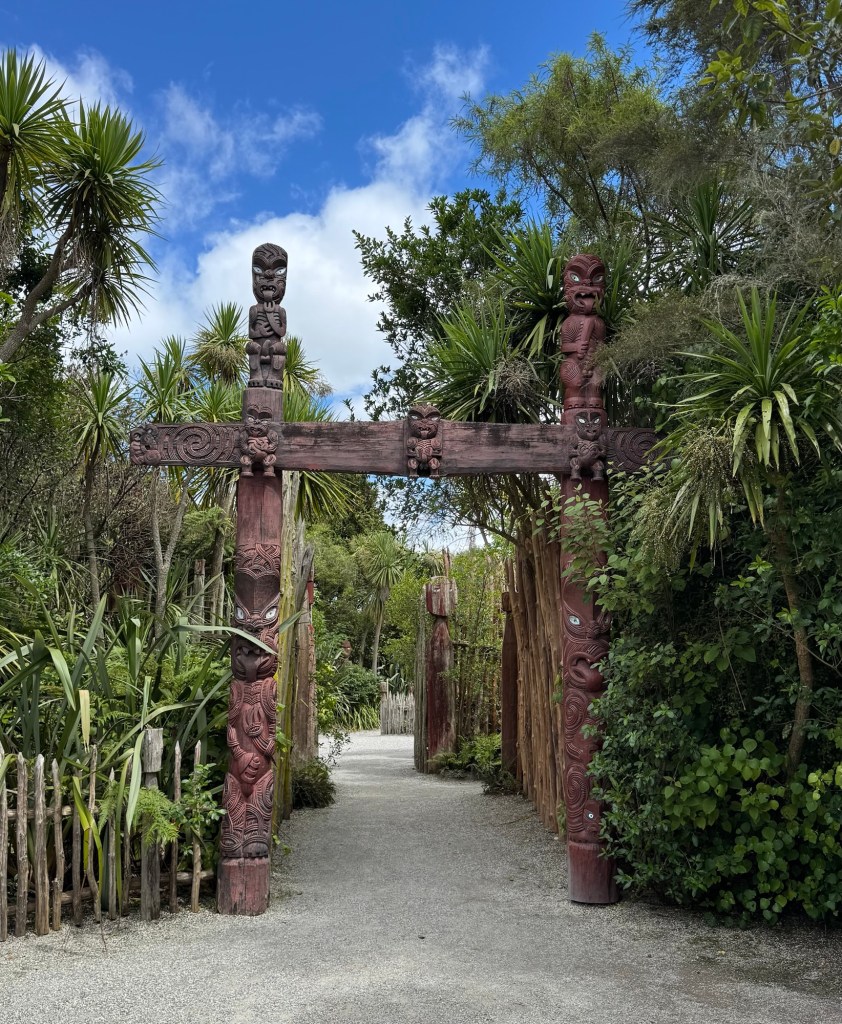
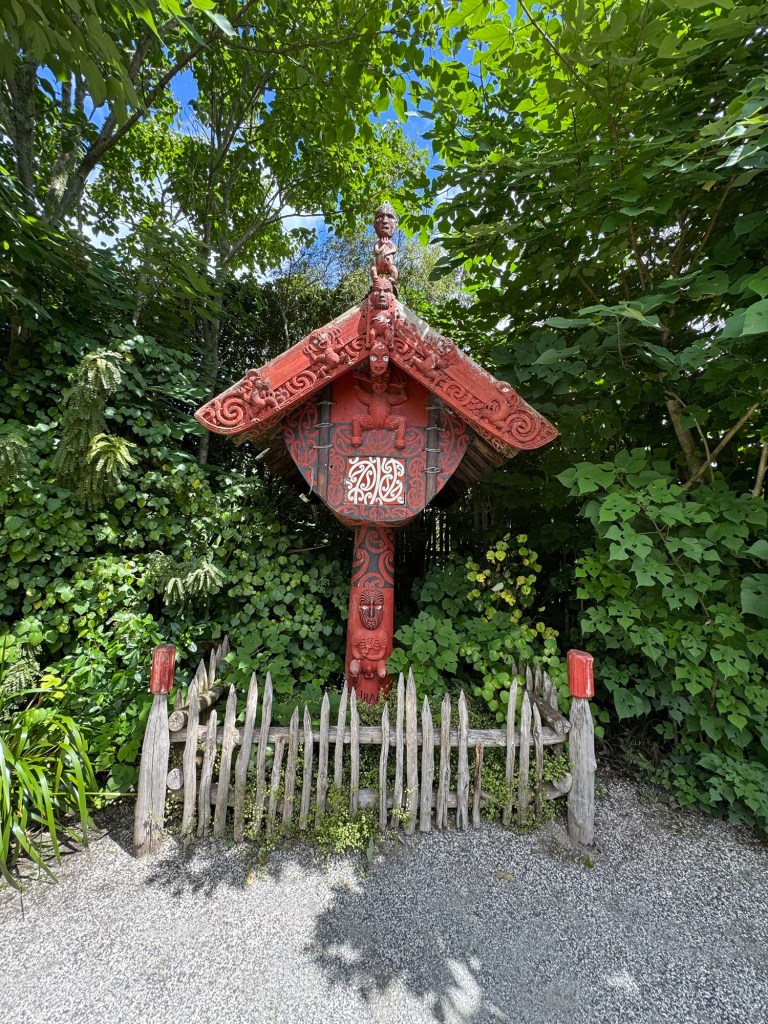
There were also gardens that were primarily functional, such as this Maori garden.
Inside the garden, we learned that the kumara (sweet potato) is not native to New Zealand and requires special techniques to make it thrive in the colder climate. The Maori discovered that planting the kumara in small well drained hills, a little like potatoes, makes all the difference. The field is surrounded by a protective fence, and the raised hut is to store treasures.
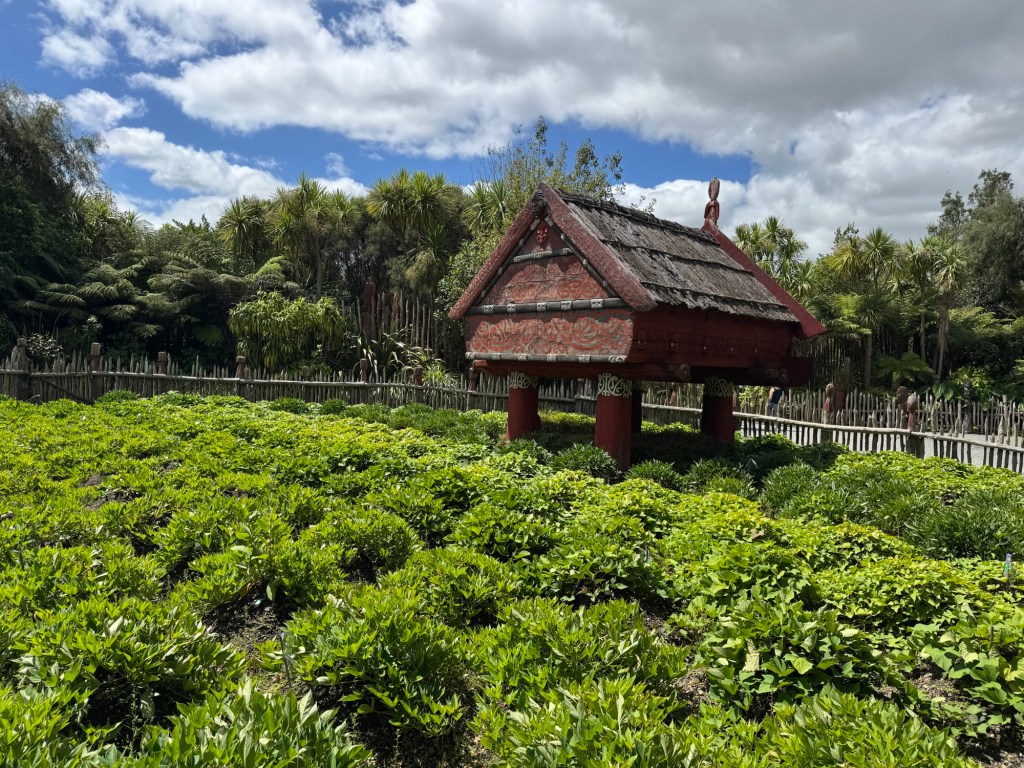
There was a second raised platform near the garden, used to store garden tools.
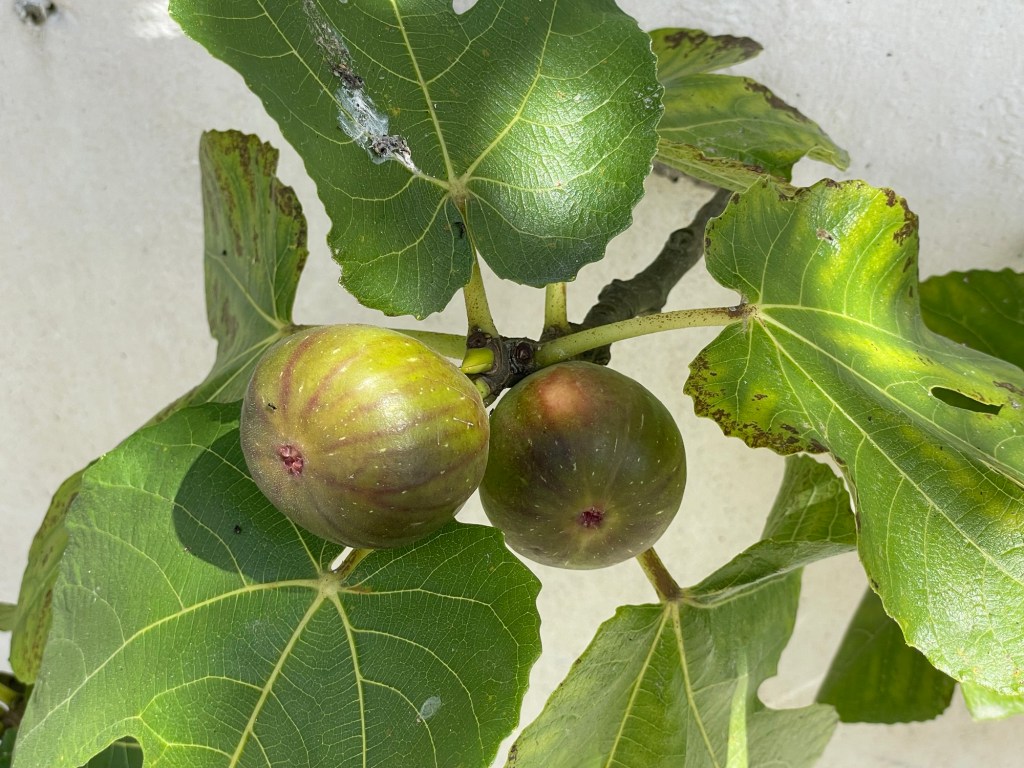
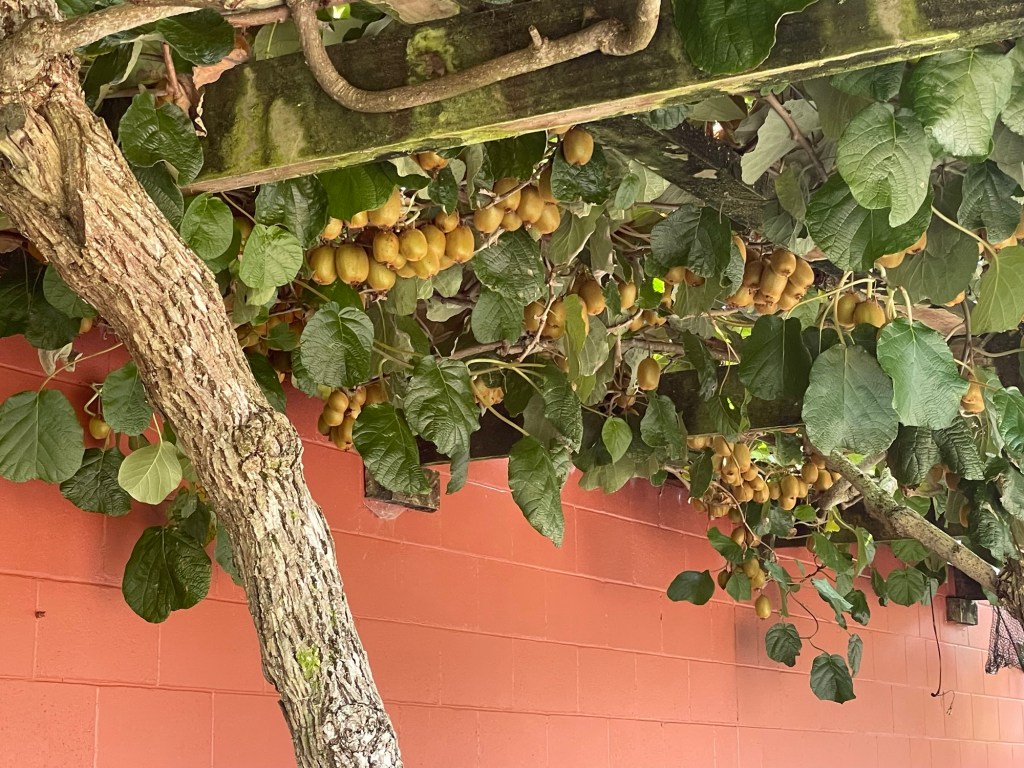
There were various edible plants around the gardens. These are harvested and distributed to those most in need. Here are two pictures to give you an idea of what you can see.
Most of the gardens were from relatively recent cultures, but there was also an ancient Egyptian garden.
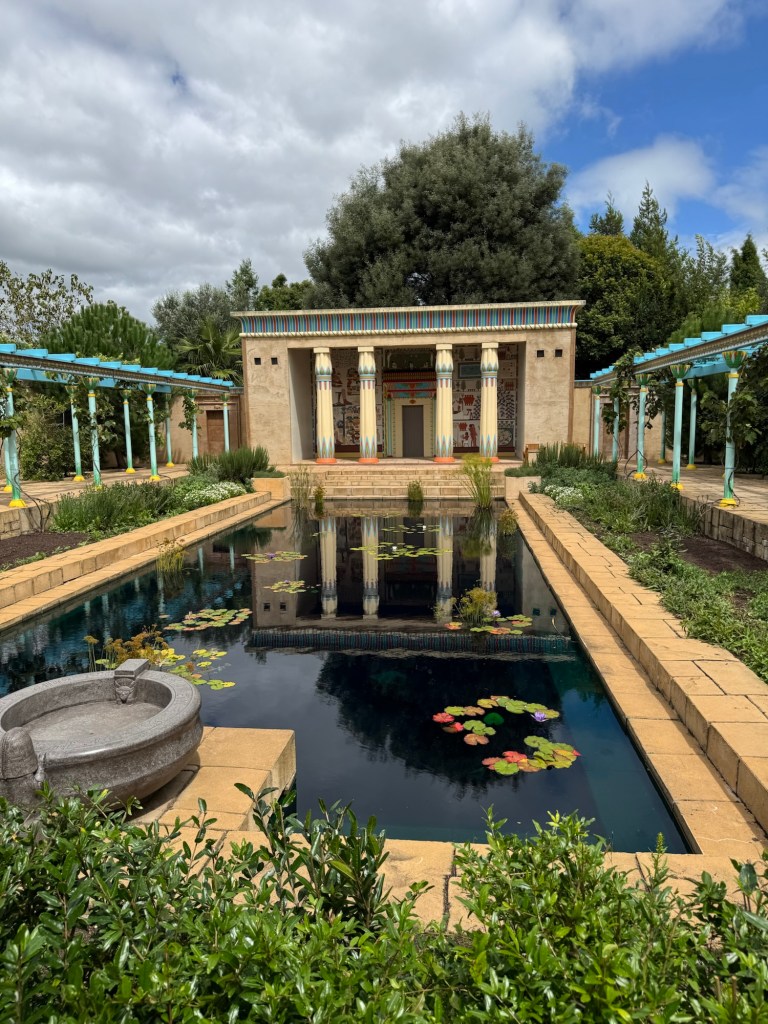
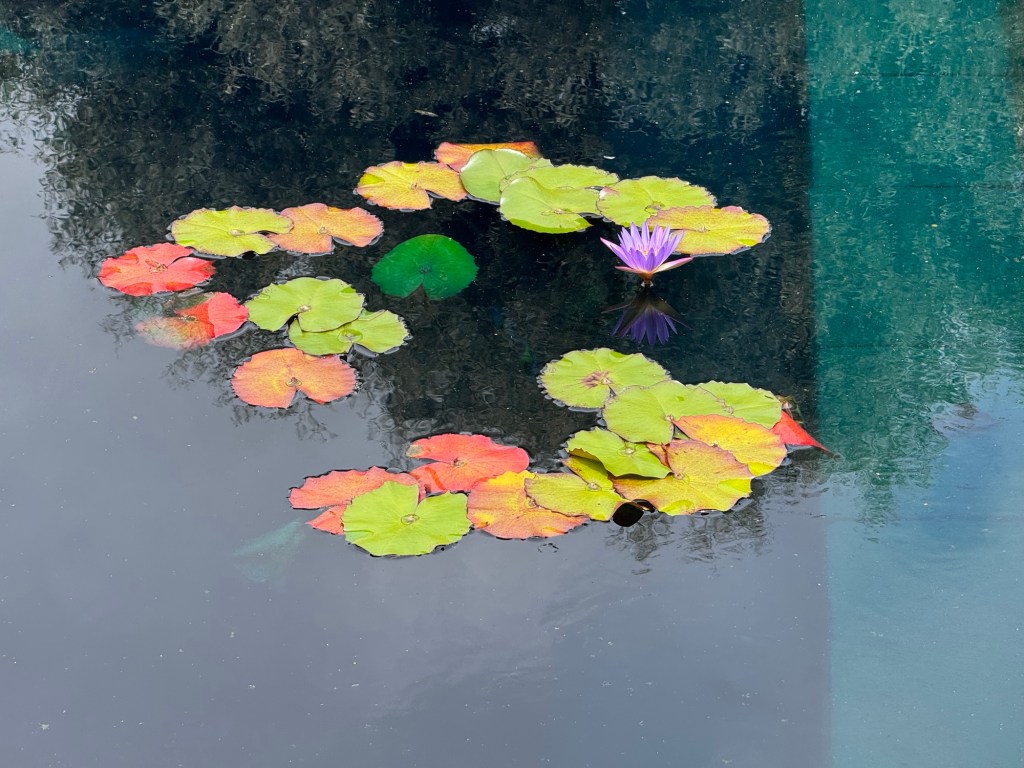
Here is a detail of the water lilies in the pond. It almost looks fake, but I assure you they are real.
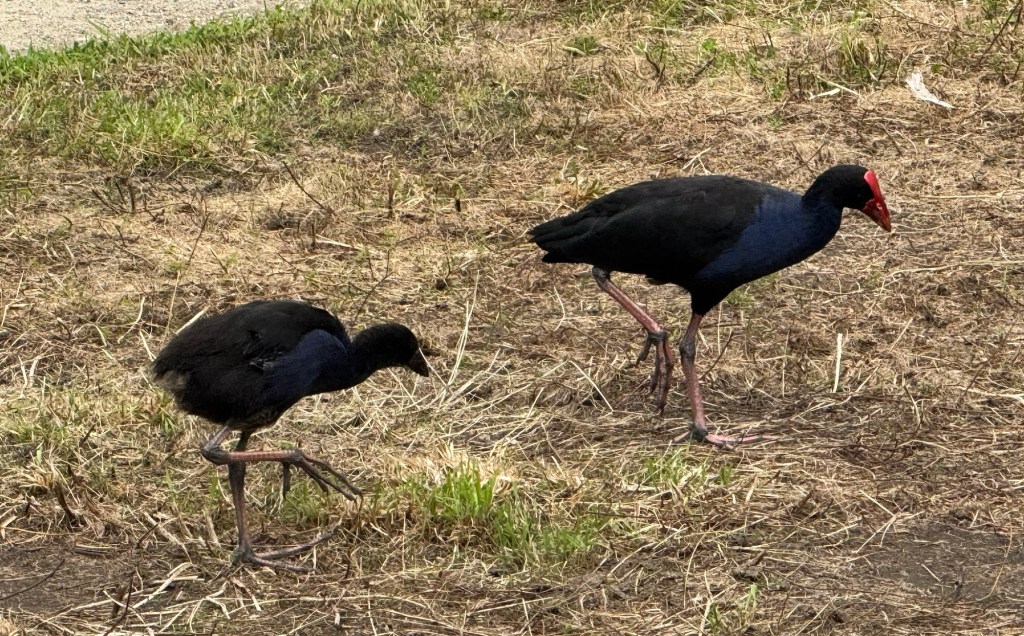
We are always on the lookout for birds in New Zealand. We have seen many pukeko along the road while we were driving in the Coromandel, but we weren’t about to stop to take a picture of them … though we briefly considered the idea. Fortunately there were some in the gardens today.
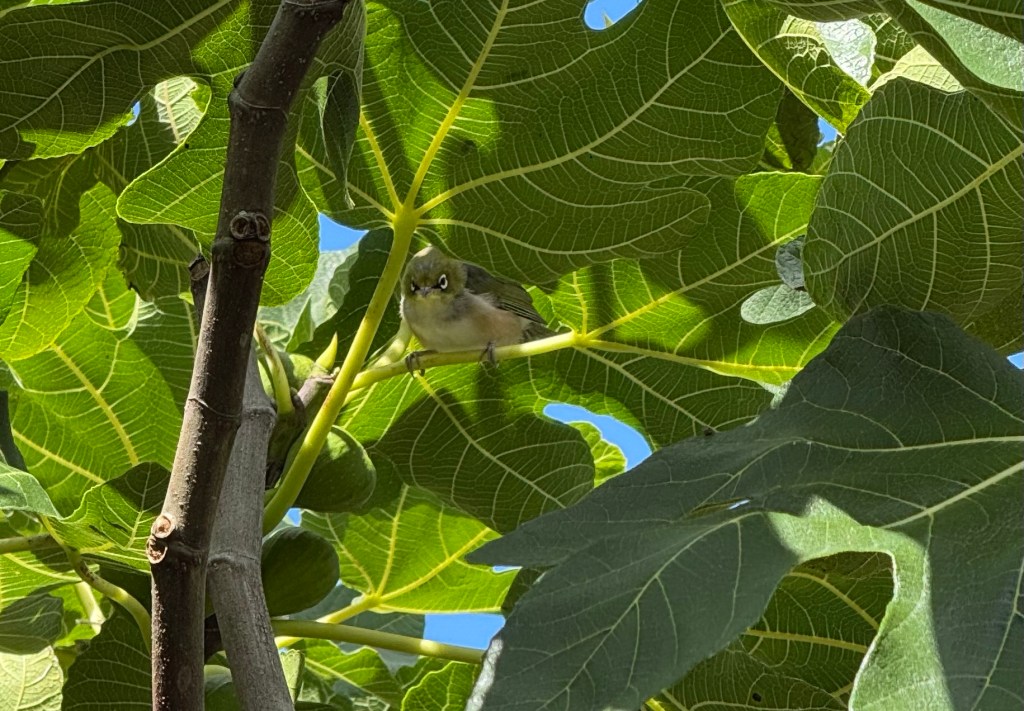
We also saw a number of silvereye in the fig trees, apparently enjoying the fruit. I finally managed to get a decent picture of one of them.
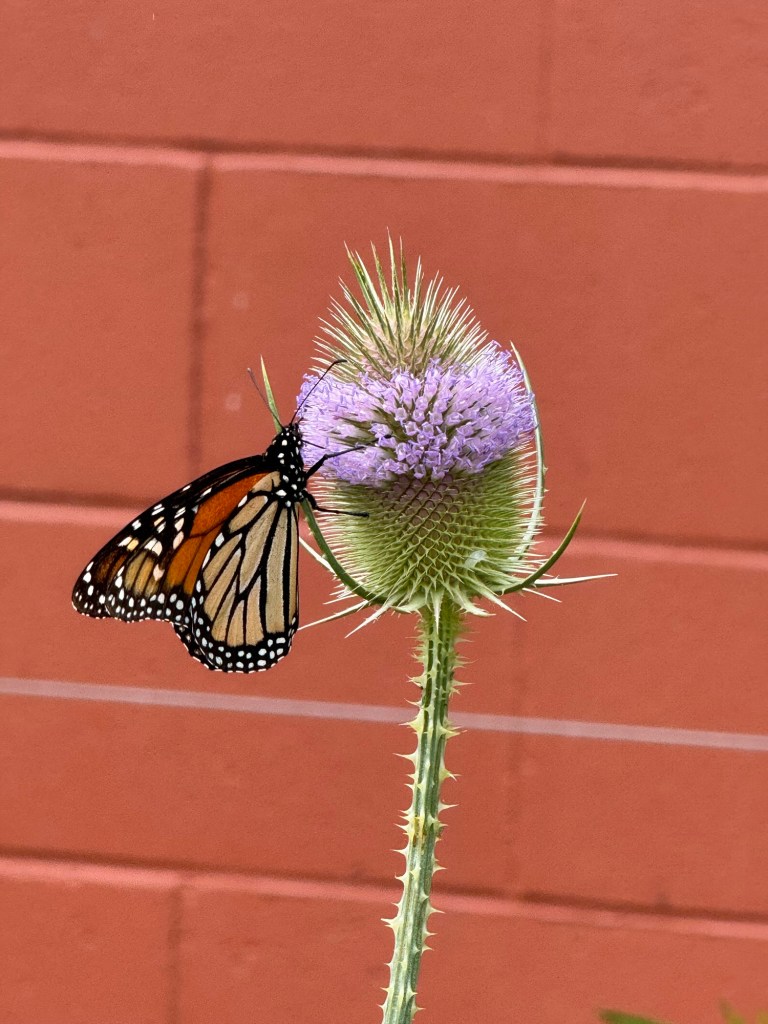
And here is another monarch butterfly on an interesting plant. At one time, the bulbs at the top were used in making yarn.
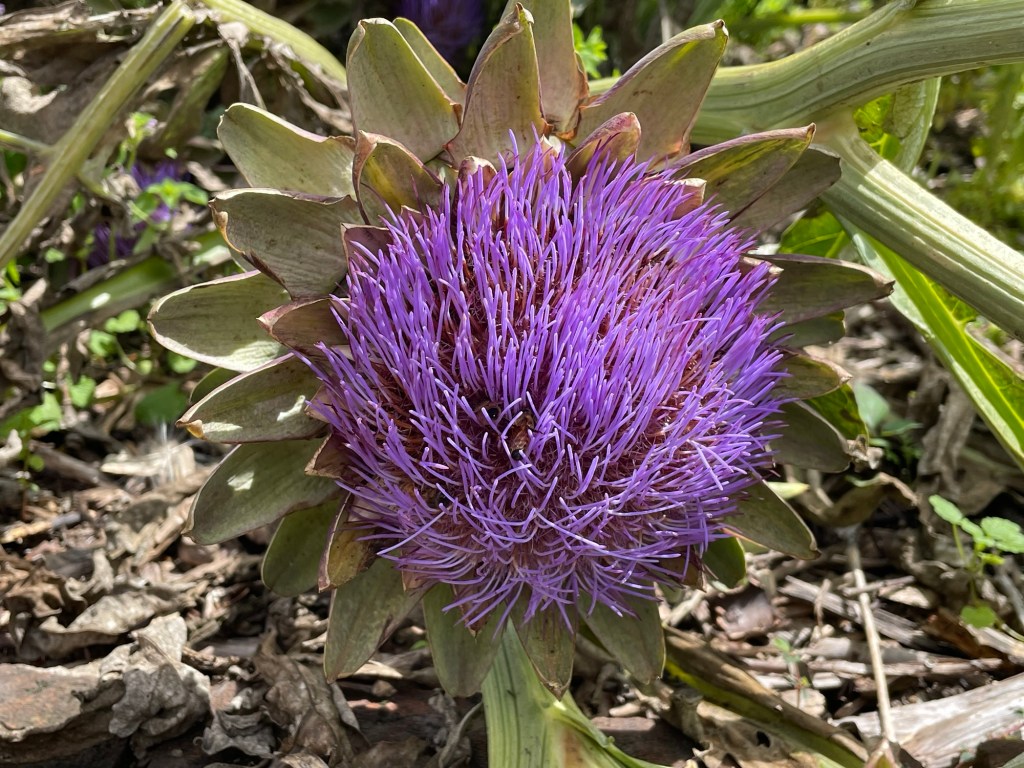
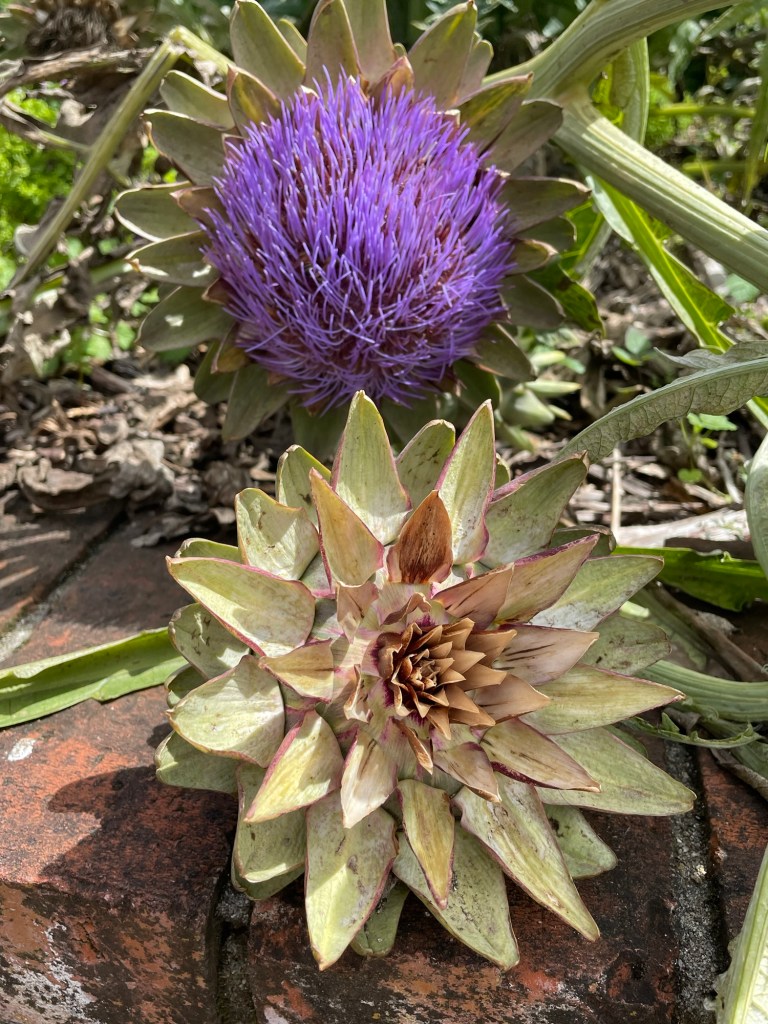
The next picture shows an artichoke flower. If you look closely you can see bees in the flower, having a great time.
This next picture shows what the flower becomes if it is left to ripen.
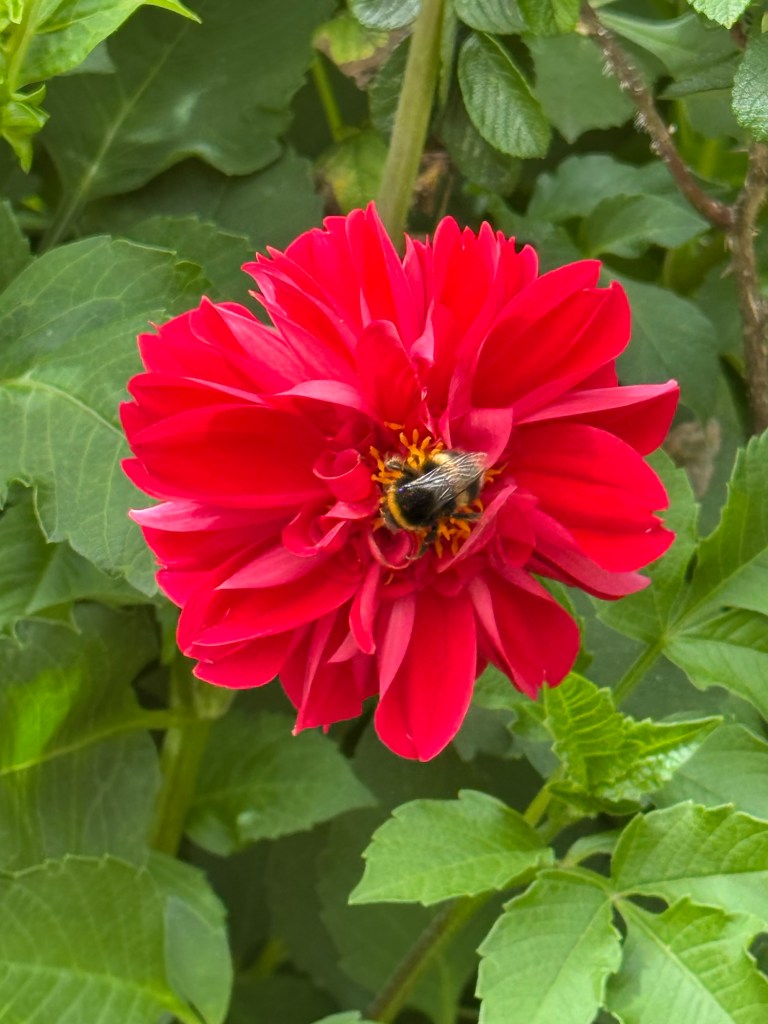
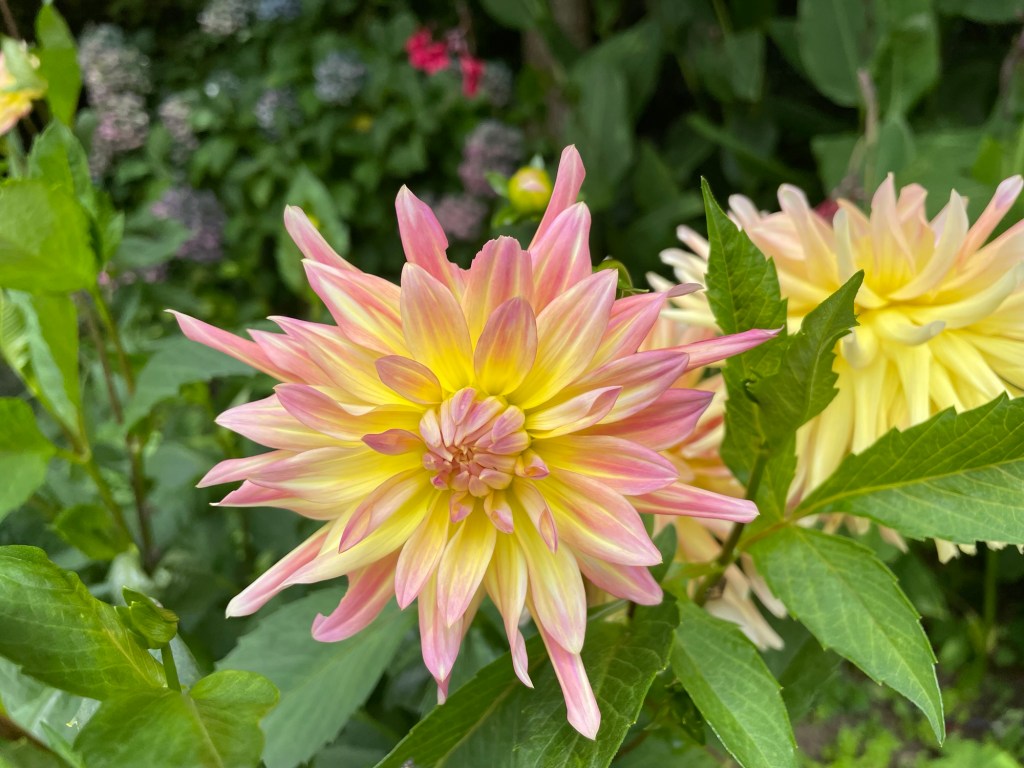
Here are a few more flowers. I love flowers…
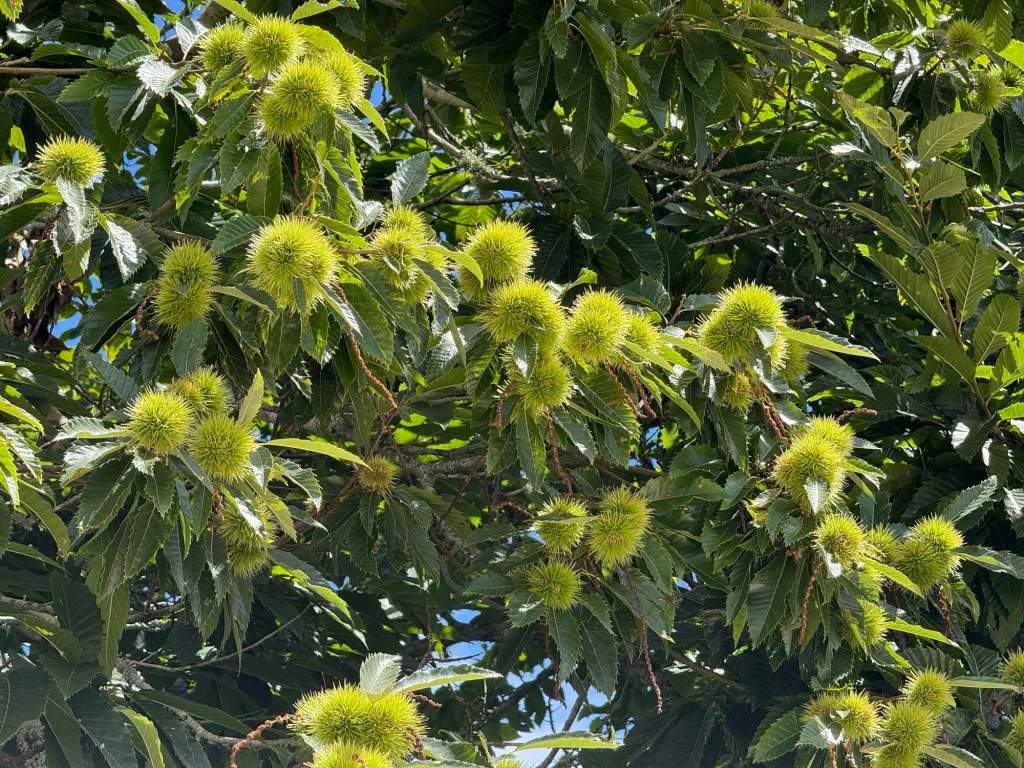
We think the next picture shows chestnuts.
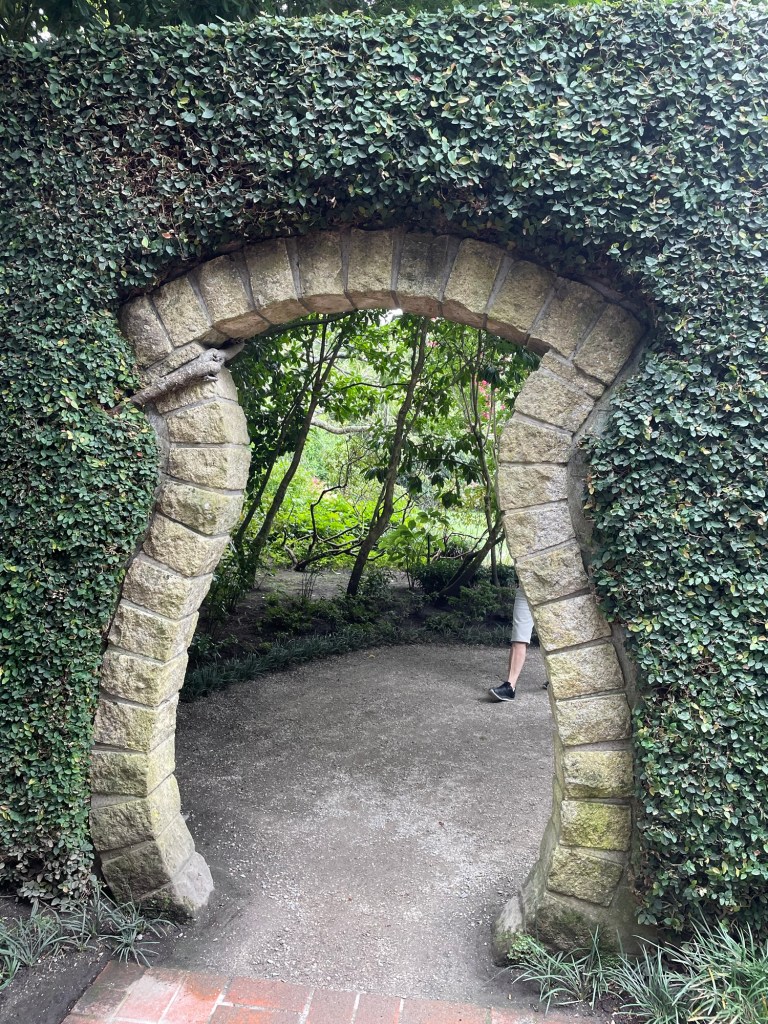
The gardens also showed how cultural styles travel and combine. This next arch is from an English garden that incorporates oriental styles.
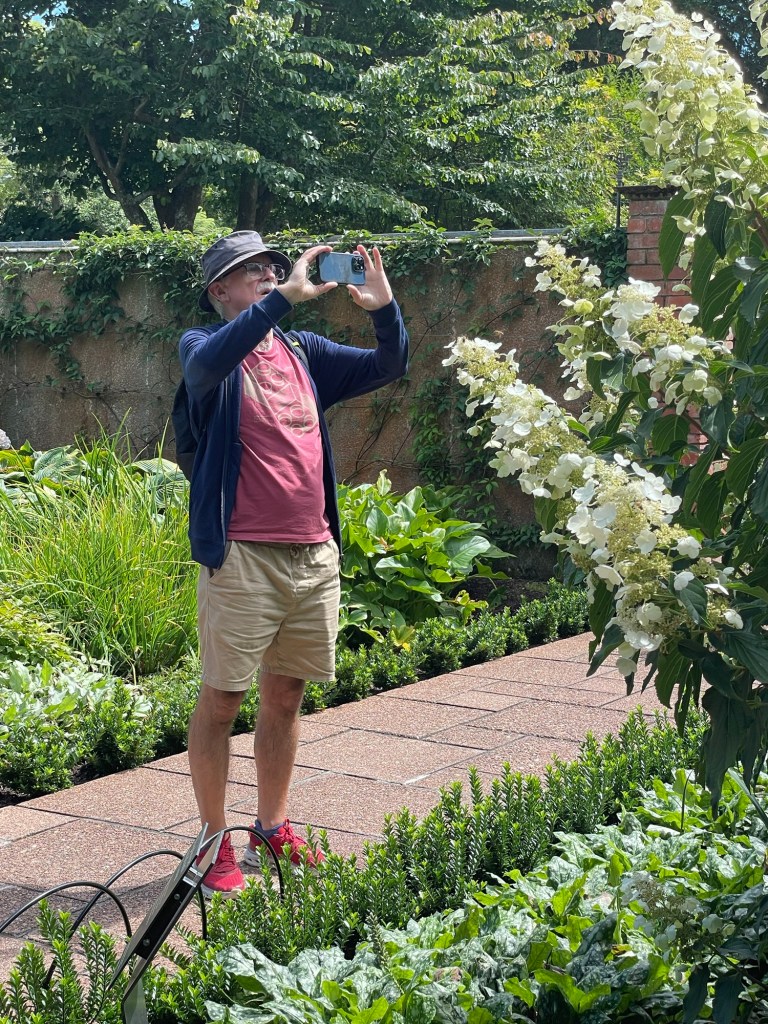
I’ll close with a picture of the thing that we see most of all. Jim taking a picture…


 If It Was Today...
omg! We definitely have to come back to see this one for ourselves. It’s beautiful
h