
We just finished a five-week trip to New Zealand and I’ve been docmenting our experiences each day as we travel. But now that we’re back home, I want to provide some broad observations that you might find useful if you are considering a visit to New Zealand.
1. Prepare to fall in love (with New Zealand). Two years ago we booked a three-week trip to New Zealand. It’s a very long flight, so we assumed it would be our only visit. But within a few days we were talking about “our next trip” to New Zealand, and this year we returned for five weeks. By the end of this trip, we were already planning another, even longer, trip. As we travelled around New Zealand, we met many people, often facing even longer flights, who had exactly the same reaction. I’ve yet to meet someone who hasn’t loved everything that New Zealand has to offer. If you visit, you will want to return.
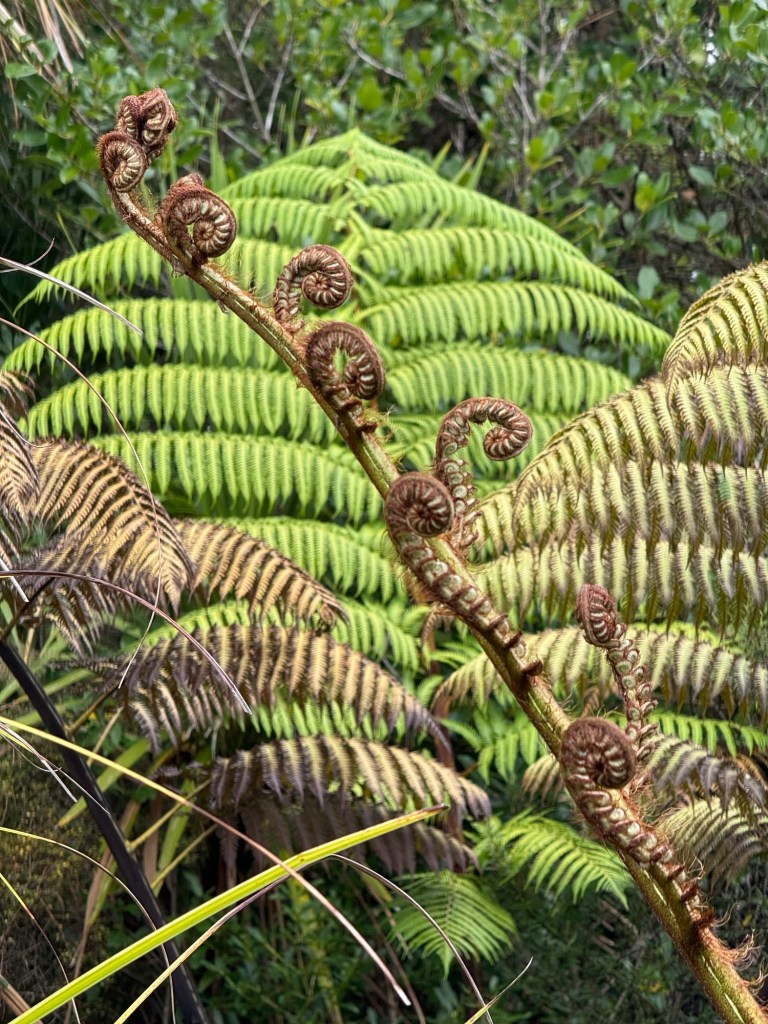
2. Pick a theme. New Zealand offers everything: beaches (to die for), oceans, lakes, thermal springs, mountains, hiking trails, unique birds and plants, vineyards, gourmet food, culture, adventure tours, bird sanctuaries, nature preserves, and more. True, the country is small enough that you could realistically drive the length and breadth, but if you try to see everything of interest along the way, you will be hopelessly overwhelmed. So pick a theme to provide some focus. In our case, it was walking along the beach, though we were able to add in a generous helping of other things as well.
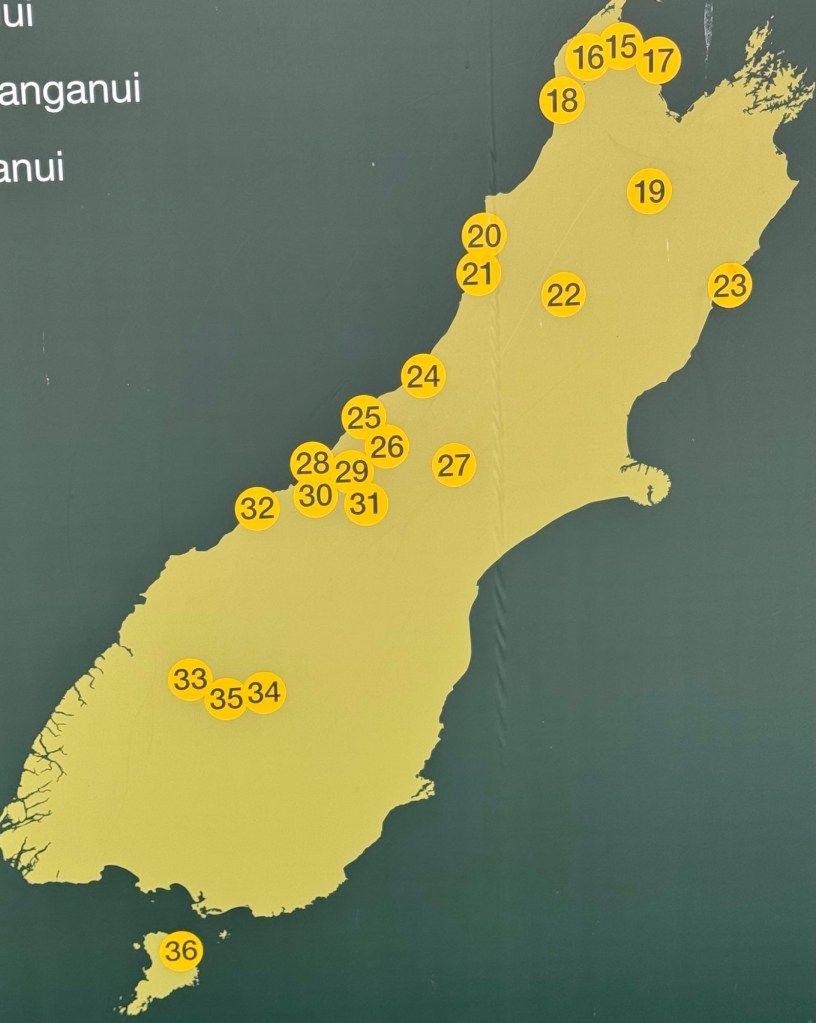
3. Tourists are still welcome in New Zealand. This isn’t always the case in some destinations around the world where tourist fatigue is growing. Not here. In New Zealand we felt nothing but warmth and welcoming friendship.

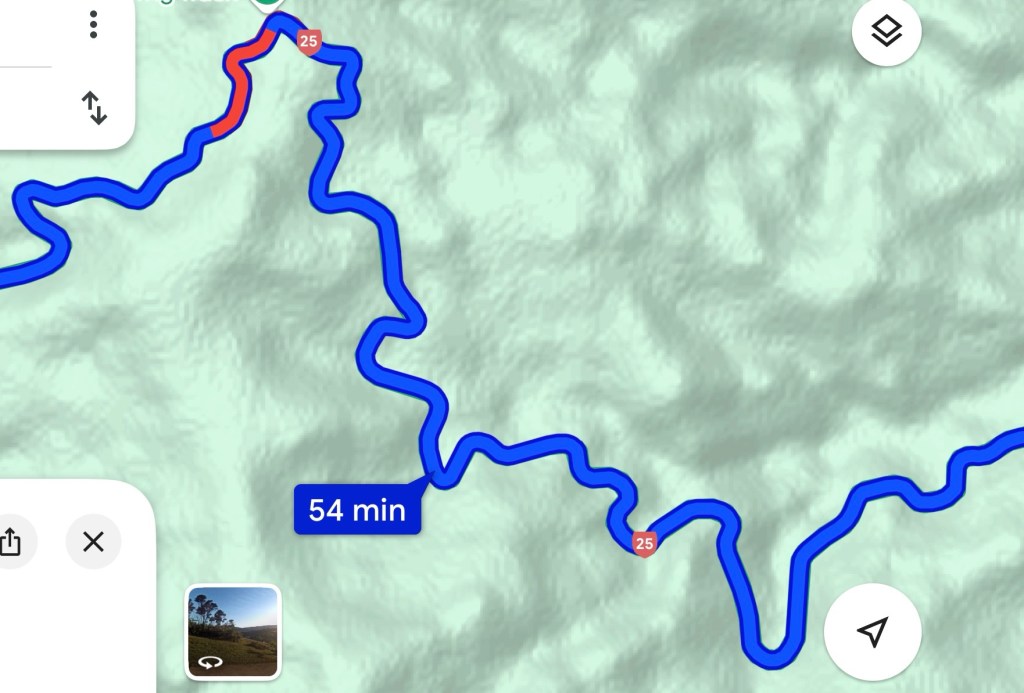
4. Roads may not be what you are used to at home. All the New Zealand roads we’ve seen were very good, but they are also narrow and very winding. Hint for North American visitors: when a New Zealand road sign says the recommended limit for a curve is 25 km/h they mean it. And of course, for many of us there is the added “excitement” of having to remember to “stay left”. That having been said, I still recommend it.
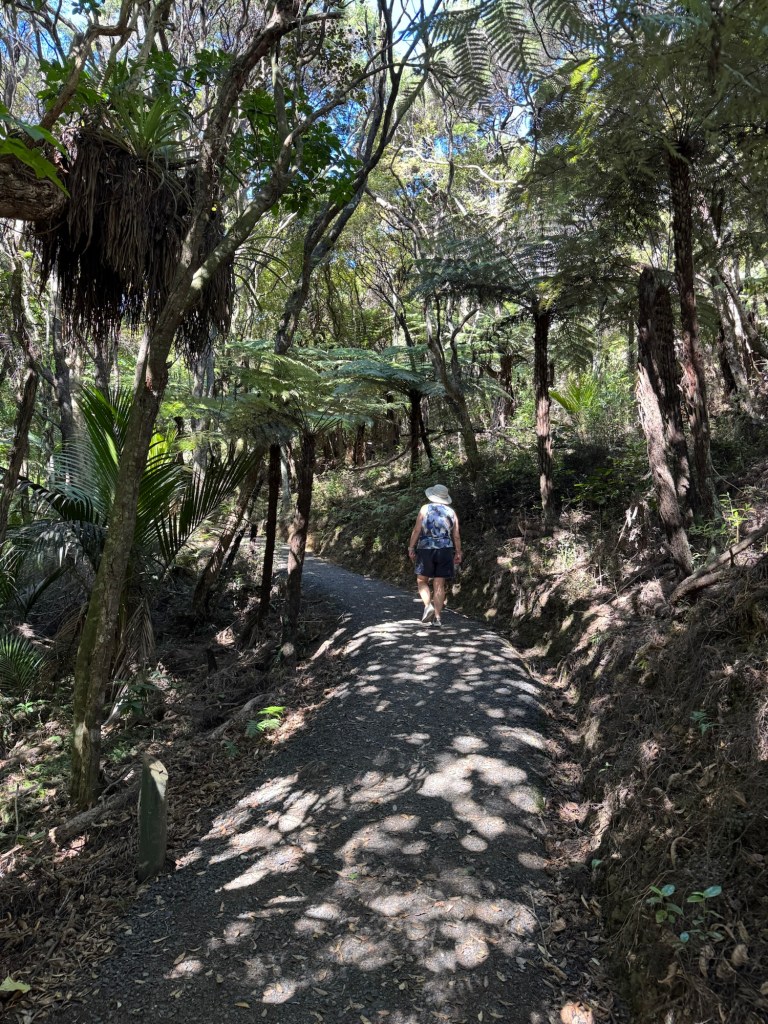
5. Conservation of native species. New Zealand has been isolated from the other continents for about 85 million years. This allowed New Zealand to develop unique flora and fauna – in particular, many birds became flightless. When humans arrived, they brought mammals (e.g., rats, possums, stoats, and cats) that are major bird predators, especially for flightless birds. They also brought plants that have become invasive pests. Thankfully New Zealand recognized what was being lost and has started to fight back with a major focus on conservation of native bird and plant species. This includes replanting native forests and creating reserves where native birds can safely reproduce. It was encouraging to see this plan in action throughout New Zealand.
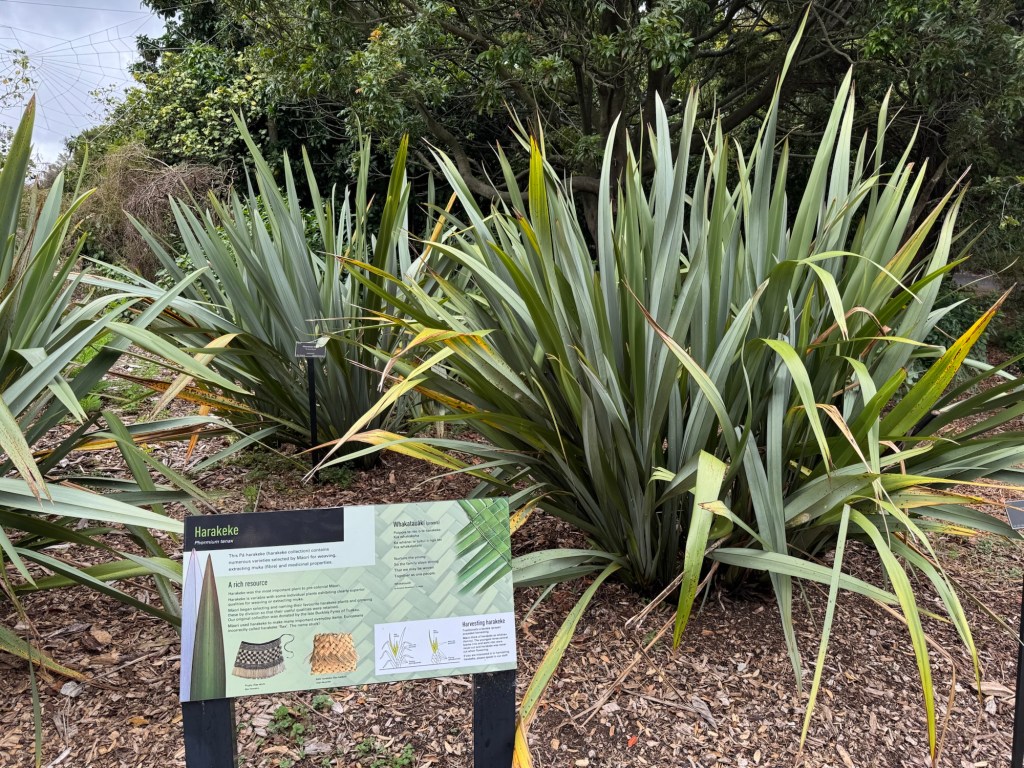
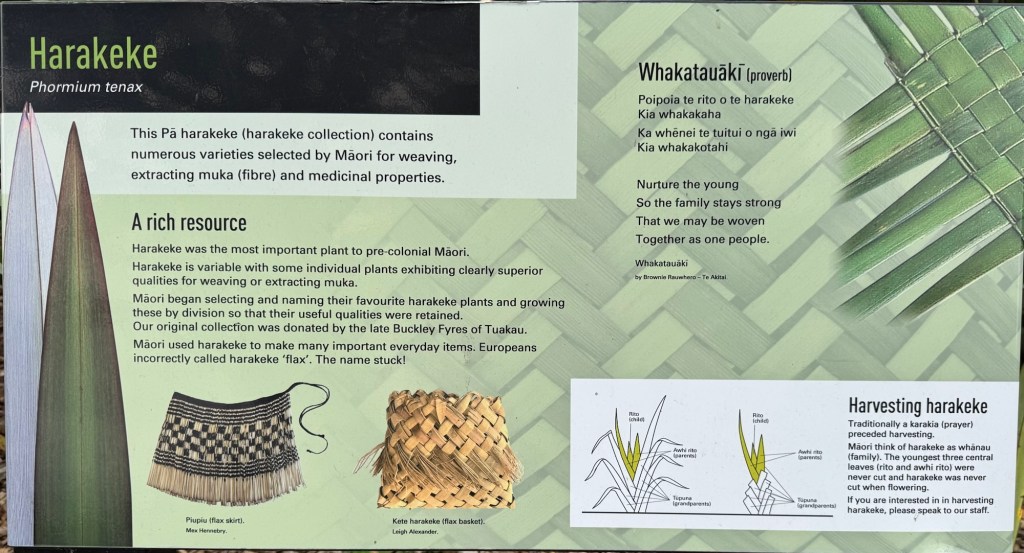
6. Recognizing Māori culture. It feels like there is an honest attempt to recognize and even embrace Māori culture and language in New Zealand, within the constraints of colonial reality. Coming from Canada, we find this refreshing. You see it in names (plants, birds, and places), road signs, greetings and exhibits that explain and in some cases, try to actively preserve Māori culture. This next picture is from the Auckland Botanic Gardens with an explanation of how harakeke was used for weaving. The botanic gardens also grows a number of important harakeke species and makes them available for Māori use.
7. Food and wine: New Zealand is known for its Sauvignon Blanc and Pinot Noir wines, but when you visit New Zealand you’ll find almost any variety you fancy. And while everyone thinks of lamb, you’ll find a range of meats, fish, seafood, and delicious savory pies. Something for every taste. It also has a wide range of local, and imported, cheese. Our personal favourite was the blue cheese. Every single example we tried was outstanding. So when you visit New Zealand be prepared to pamper your taste buds.

If I was to capture New Zealand with a single thought it would be this: New Zealand represents the perfect mix of exotic (plants, birds, climate, geography) and familiar (language, culture, safety). What more could you ask for?


 If It Was Today...
we heartily concur!